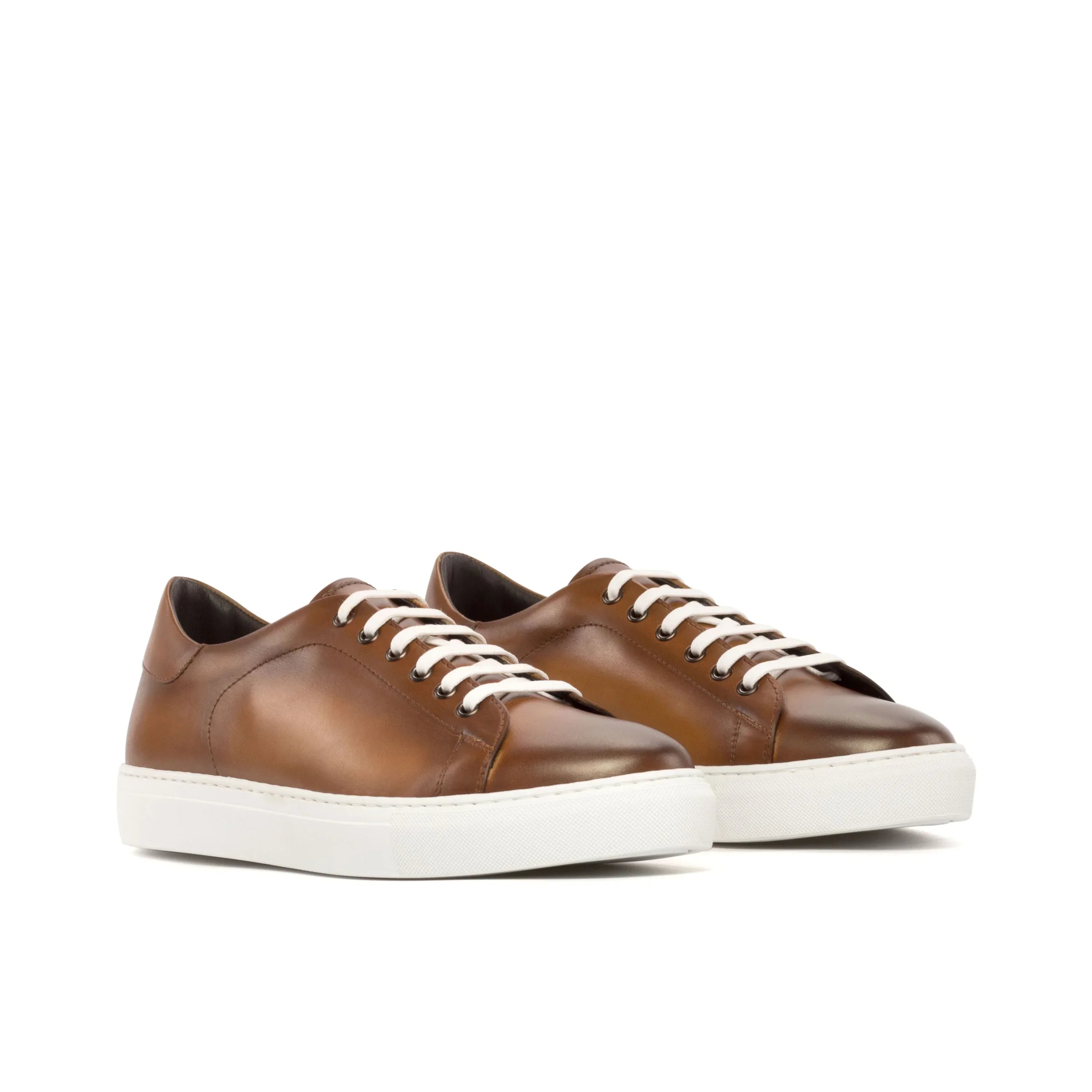
Peinture Plastique sur le Bord : Saboteur Silencieux de la Durabilité des Chaussures
Table of Contents
- Table of Contents
- The Call-Out
- The Deep Dive
- The Rationale: Why Artisan over Mass-Market
- Closing
- FAQs
The Call-Out
Modern consumers have been conditioned to accept a fundamental falsehood: that high-end footwear requires a painful "break-in" period. Many prominent labels present this discomfort as a rite of passage, suggesting that your feet must adapt to the shoe rather than the shoe accommodating the foot. Renowned names like Berluti or Allen Edmonds have perpetuated this narrative for decades, yet at The House of Que Shebley, we recognize that true luxury bespoke shoes for men should offer immediate comfort. Authentic artisanry rejects the notion that elegance necessitates physical suffering.
Furthermore, the industry’s reliance on synthetic materials, such as plastic edge paint, undermines the longevity of your investment. This coating often cracks and peels like an aged fresco, exposing the vulnerabilities of the underlying structure. This is not merely a cosmetic flaw; it is a symptom of industrial shortcuts designed to prioritize manufacturing speed over enduring quality.
The Deep Dive

The global footwear industry often prioritizes mass production over soul. While many "Made in Italy" labels are applied to machine-assembled products in high-volume factories, The House of Que Shebley utilizes genuine bespoke shoe last engineering to ensure a superior anatomical fit. When comparing our standards to conventional department store offerings, the difference in material integrity becomes undeniable.
The House of Que Shebley vs. Industrial Manufacturing:
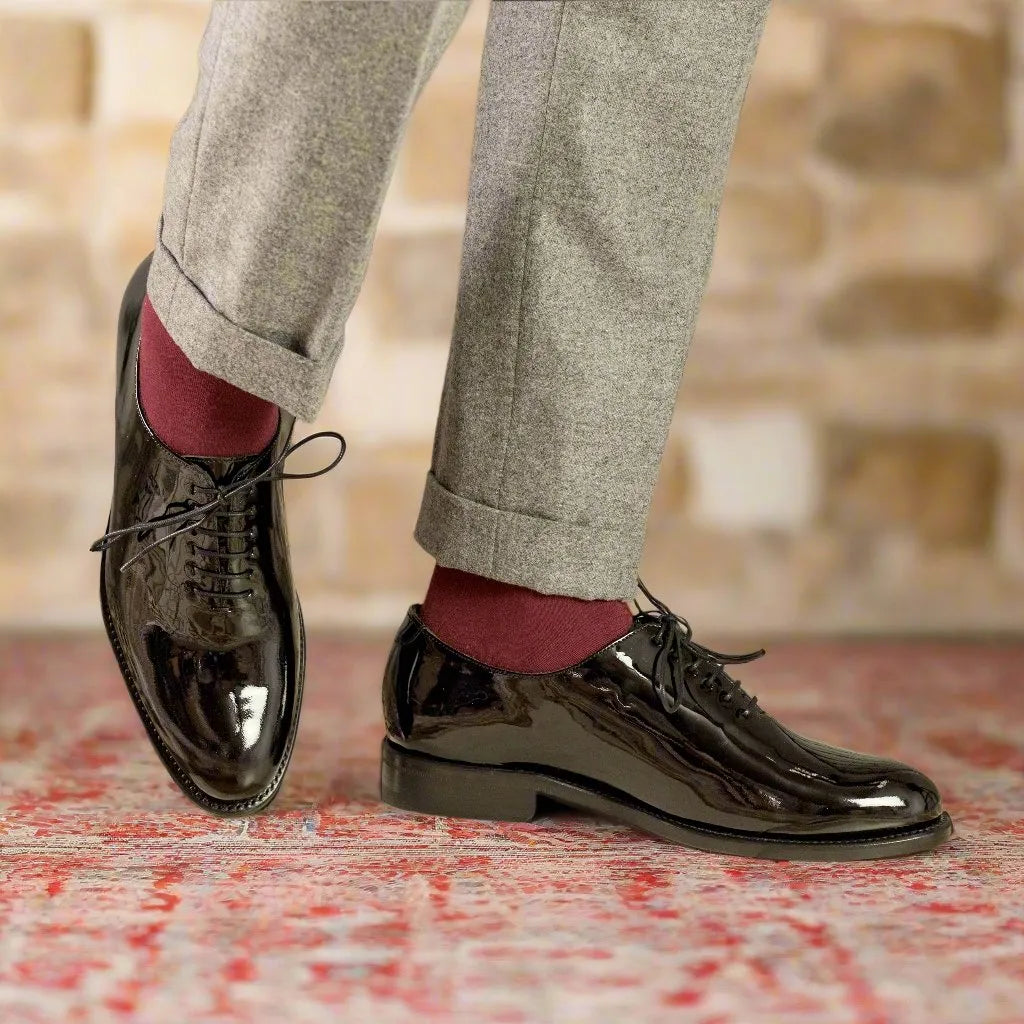
- Edge Finishing: While others use synthetic coatings, we utilize rich, hand-engraved crust leather, exemplified in the Lusio Oxford Shoes.
- Construction Integrity: The Goodyear Welt Rationale at our house focuses on maximum durability and resoling potential, a far cry from the profit-driven shortcuts found in mass-market brands using the Beyondz Oxford Shoes II.
- Hand-Cut Patterns: Unlike the uniform, machine-cut templates used by brands like Santoni, our patterns are hand-cut to ensure a unique character for every pair.
The Rationale: Why Artisan over Mass-Market
While mass-market footwear may appear more accessible initially, the long-term physiological and financial costs often outweigh the savings. True craftsmanship provides a level of support that mass production cannot replicate.
Advantages of Artisan Craftsmanship:
- Premium Materials: We eschew corrected-grain leathers in favor of hand-engraved crust, which retains the natural breathability and strength of the hide.
- Savile Last Fit: Our specialized lasts are engineered to mirror the human foot, eliminating the risk of blisters and providing a mold that matures with the wearer.
- Anatomical Arch Support: We provide a reinforced foundation that respects the natural alignment of the foot.
Investment Considerations:
Value Retention: Superior footwear is an investment in longevity. For a deeper understanding of why quality triumphs over fleeting trends, consult our guide on Sustainable Luxury Investment Pieces vs Overhyped Trends.
Closing

Experience the distinction of footwear that honors your anatomy. The refined silhouette of the Louisiana Double Monk represents a commitment to genuine classiness and traditional shoemaking. By utilizing hand-cut paper patterns, we achieve a level of bespoke tailoring that generic made-to-measure services simply cannot match.
Your choice of footwear should reflect an uncompromising standard. We invite you to reject corporate shortcuts and embrace the heritage and precision of The House of Que Shebley. Secure your pair today and join a tradition of excellence.
FAQs
What is plastic edge paint and why is it used on shoes?
Plastic edge paint is a synthetic polymer coating applied to the raw edges of leather to provide a uniform, colorful finish. It is frequently used in mass production to conceal the natural layers of the sole and upper construction.
Over time, plastic edge paint loses its flexibility. As the leather naturally flexes during walking, the brittle paint begins to crack, allowing moisture to penetrate the seams and eventually causing the layers to delaminate.Can plastic edge paint prevent water damage to shoes?
It provides a temporary barrier, but once the seal is compromised by micro-cracks, it can actually trap moisture against the leather, accelerating rot rather than preventing it.Is it easy to strip plastic edge paint from shoes?
Removing this coating is an intensive process that often requires harsh chemical solvents which can dehydrate the underlying leather if not handled by a professional.What are the signs that plastic edge paint is damaging my shoes?
Visible flaking, a "cracked earth" appearance on the sole edges, and discoloration of the leather adjacent to the paint are primary indicators of deterioration.Are there alternatives to plastic edge paint for shoe protection?
Traditional artisan methods involve burnishing the edges with natural waxes and specialized dyes, which penetrate the leather rather than sitting on top of it, ensuring the edge remains flexible and breathable.How can I maintain shoes that have plastic edge paint?
Keep them away from direct heat sources, which can cause the plastic to bubble or peel, and use a damp cloth for cleaning rather than abrasive brushes.When should I consider reapplying plastic edge paint?
If the aesthetic finish is a priority, reapplication should occur at the first sign of chipping to prevent further moisture ingress, though upgrading to a hand-finished edge is often more sustainable.How can I extend the life of my shoes despite using plastic edge paint?
The use of cedar shoe trees is essential to maintain the shoe's shape and minimize the flexing that causes the paint to crack. Regular conditioning of the surrounding leather also helps maintain overall structural integrity.


Laisser un commentaire
Ce site est protégé par hCaptcha, et la Politique de confidentialité et les Conditions de service de hCaptcha s’appliquent.