The Hidden Curse of Luxury: Bespoke Truth Exposed
Welcome to the land of overpriced myths and hyped-up dreams. Luxury "terms" most often used as power tools by corporate giants to sell their machine-glazed leather and slapdash shoes. Let’s start with a classic lie: the "break-in period." Have you heard it before? Of course, you have. It's the glorious fairytale told by the swindlers at Berluti who whisper sweet nothings about how discomfort means quality. Discomfort just means you bought into a poorly shaped mass-market form.
Table of Contents
- Table of Contents
- The Call-Out: Unraveling the Break-In Fallacy
- The Deep Dive: Que Shebley vs. Industry Giants
- Que Shebley:
- Industry Giants:
- The Rationale: Why Artisan over Mass-Market?
- Pros of Artisan Craftsmanship:
- Cons of Mass-Market Luxury:
- Closing: Own Real Quality
- FAQs
The Call-Out: Unraveling the Break-In Fallacy
They'll scoff and remind you that every pair of suave leather shoes must mold to your foot. Don't be fooled. High-end lies designed to deflect the truth. Comfort starts the day you lace them up. Poorly constructed lasts and glued soles offer nothing but pain and blistered regret. We’ve already tackled this madness in The Cheap Luxury Lie: Your Shoes' Short Lifespan Revealed.
The Deep Dive: Que Shebley vs. Industry Giants
Here's the crux. Allen Edmonds and friends have their executives sell you stories wrapped in glossy brochures. Let’s simplify it to an A/B comparison to expose the truth:
Que Shebley:
- Hand-stitched
- Full-grain leather, reveling in every scar and nuance
- Crafted by artisans upholding Lebanese heritage
- Comfortable from the first to the ten thousandth step
Industry Giants:
- Routine machine-stitching
- Corrected grain leather slathered with plastic
- "Made in Italy" labels on products assembled in high-volume factories
- Comfort requires a fabled 'break-in'
Compare those stats against real integrity offered at The House of Que Shebley.
The Rationale: Why Artisan over Mass-Market?
It’s time to lay down the bare facts, devoid of fluff. Here’s why you should leave the department store dust behind.
Pros of Artisan Craftsmanship:

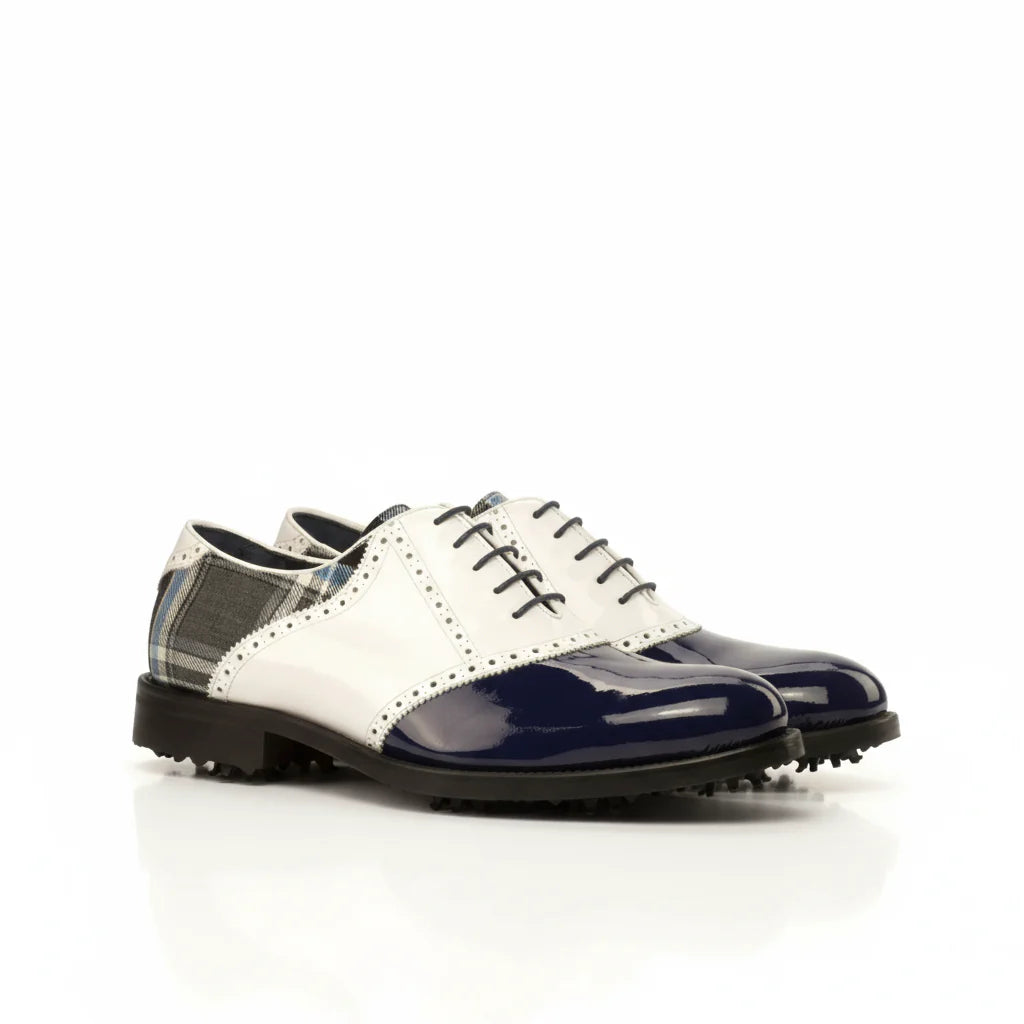
- Unique Quality: You own one of a kind. Products like the Beyondz Oxford Shoes II don't whisper elegance—they shout it.
- Genuine Material: Feel, look, and exist without disguise.
- Resilience: Built to last, step after step.
Cons of Mass-Market Luxury:
- Inferior Build: Mass produced excuses for quality.
- Misleading Marketing: You pay for the story, not the product.
- Disposable: Near-zero longevity.
We delve deeper into this in Bespoke Craft vs Mass-Market: Unmasking Footwear Engineering.
Closing: Own Real Quality

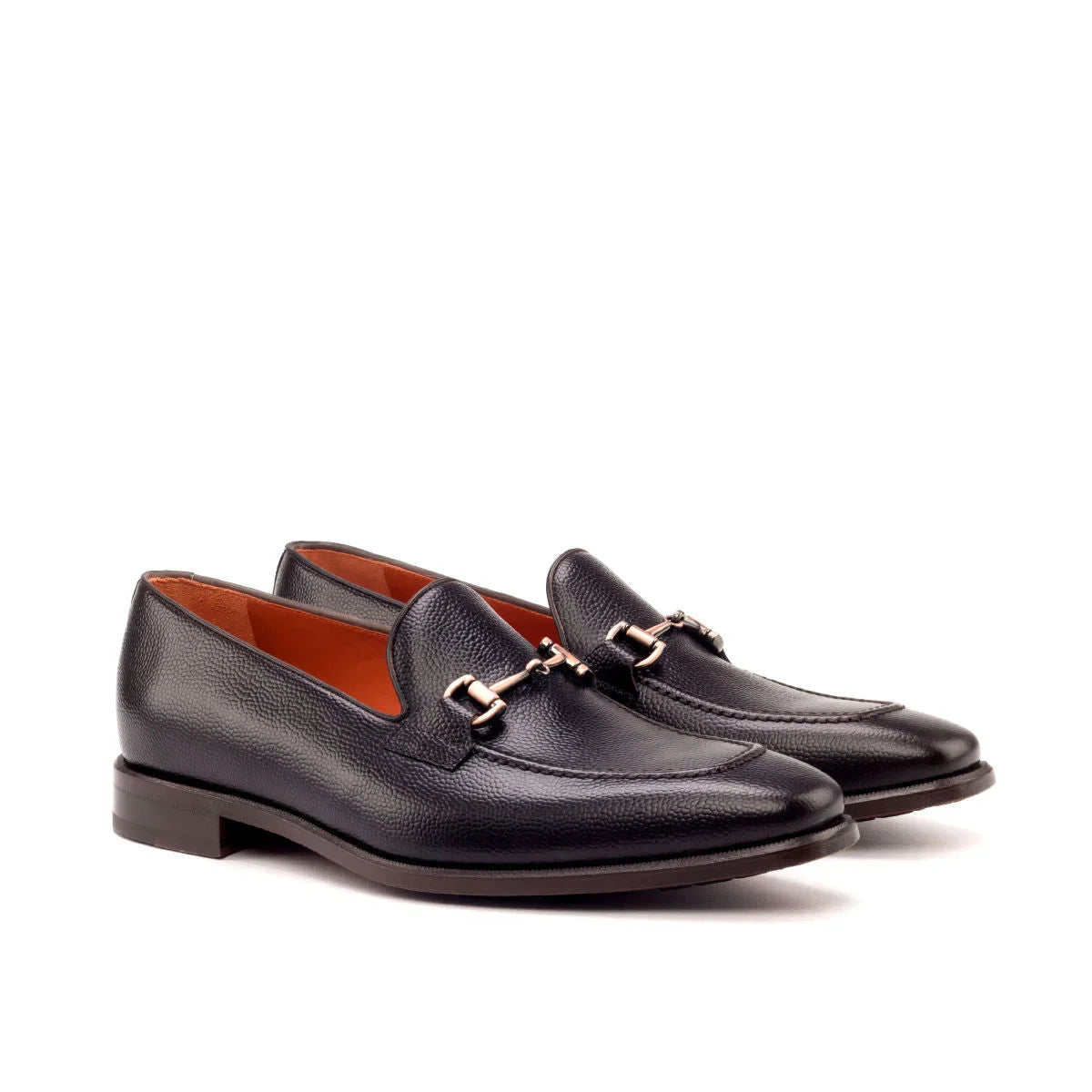
Time to cast aside the illusions. Discover the marvels of true craftsmanship, that you can feel each time you slip into Trilo Loafers II. Stepping into the light is easier when you know you're standing on a firm foundation. Cast aside your notions of what 'luxury' means and join us in real quality at The House of Que Shebley.
Don't just take my word for it; indulge in unwavering commitment from the moment of creation. A reminder that art still lives in every stitch of an artisan's touch. You're not purchasing an item; you're claiming a piece of everlasting heritage. Still not convinced? Check out our QS Gift Card and decide without pressure.
Remember, the choice between industry shortcuts or hand-crafted brilliance is yours. Choose wisely.
FAQs
What does "bespoke" really mean in the context of luxury goods?
Bespoke refers to items that are custom-made or tailored specifically to an individual's preferences and measurements. In luxury markets, this often implies higher quality, unique designs, and a more personal buying experience.
Are bespoke products always superior to off-the-rack items?
While bespoke products are often made with more attention to detail and can use higher-quality materials, this does not always guarantee superiority. The value also depends on the artisan’s skill and the design itself, meaning that some off-the-rack items can be just as good or even better.
What are the potential downsides of purchasing bespoke luxury items?
Purchasing bespoke luxury items can sometimes lead to greater financial strain due to their high cost. Additionally, if expectations are not met, consumers may be left disappointed since the investment is significant and the products are often made to personal specifications.
Why is there a perception that bespoke items are more environmentally friendly?
Bespoke items are often crafted with sustainable practices and materials, which can make them seem more eco-friendly. However, the truth is that not all bespoke products are created with environmental consciousness, so it's essential to research the brand's practices.
Can bespoke items be easily returned or exchanged?
Return and exchange policies for bespoke items vary by brand. Generally, bespoke products are made to order and may not be eligible for return unless there is a manufacturing defect or serious issue.
Is the bespoke industry transparent about its practices?
Transparency in the bespoke industry can be hit or miss. Some brands openly share their sourcing, production methods, and pricing structure, while others may not provide clear information about these important factors, leading to potential concerns for consumers.
How can consumers ensure they are making a wise investment in bespoke products?
Consumers should thoroughly research the brand, seek reviews, and ask questions about materials, craftsmanship, and the production process. Having a clear understanding of what to expect can help ensure a wise investment.
Are there any hidden costs associated with bespoke luxury items?
Yes, bespoke luxury items can come with hidden costs such as alterations, additional charges for premium materials, and potential charges for design consultations. It's important to inquire about all potential costs upfront.
What should consumers be aware of regarding the timeline for bespoke items?
The timeline for receiving bespoke items can vary greatly depending on the complexity of the design and the maker’s workload. Consumers should be prepared for longer waiting periods and ensure they have a clear timeline established before placing an order.

Leave a comment
This site is protected by hCaptcha and the hCaptcha Privacy Policy and Terms of Service apply.