Goodyear Welt Benefits: Marketing Gimmick or True Value
Ah, the luxury shoe market—a realm where clever branding often disguises common shortcuts. It's high time we expose one such myth: the "break-in period." Industry big wigs like Berluti would have you believe a shoe must torture your feet before becoming wearable. The truth? Cheap lasts are the real culprit. Not the leather or craftsmanship.
Table of Contents
- Table of Contents
- The Call-Out
- The Deep Dive: Que Shebley vs. Industry Giants
- The Rationale: Why Artisan over Mass-Market?
- Pros
- Cons
- Closing: Own Real Quality
- FAQs
The Call-Out
So why is your foot screaming in agony while the salesman spins tales of luxury? Simple. Mass production. The uneven and unpredictable fit stems from factory-made lasts. You’re shoved into a template designed for the average foot—whatever that means. Truly bespoke options, like those from The House of Que Shebley, leave no room for guesswork. Anatomy vs Industry: The Shoe Lasts Debate dissects this issue perfectly.
The Deep Dive: Que Shebley vs. Industry Giants

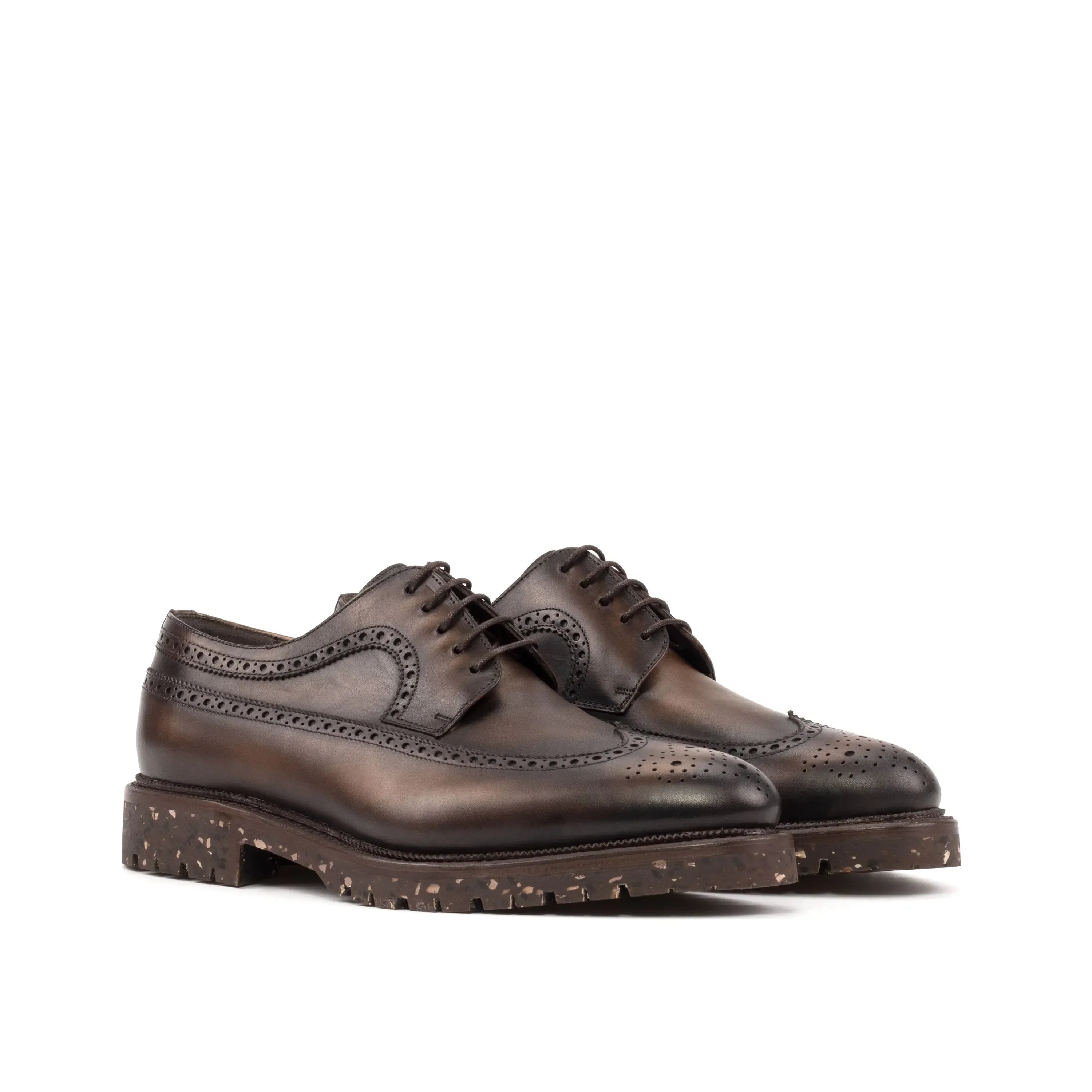
Here's where it gets real. Let's compare Que Shebley's Vos Longwing Blucher to the so-called "luxury" of Allen Edmonds. The latter may tout "Made in USA" labels, but rely on corrected grain leather. This material’s plastic edge paint and machine stitching set you up for failure. Want durability? Opt for Vos Longwing Blucher made with hand-engraved crust leather, a technique we cherish. Curious? Check Hand-Engraved Crust Leather: A Lost Art Revealed.
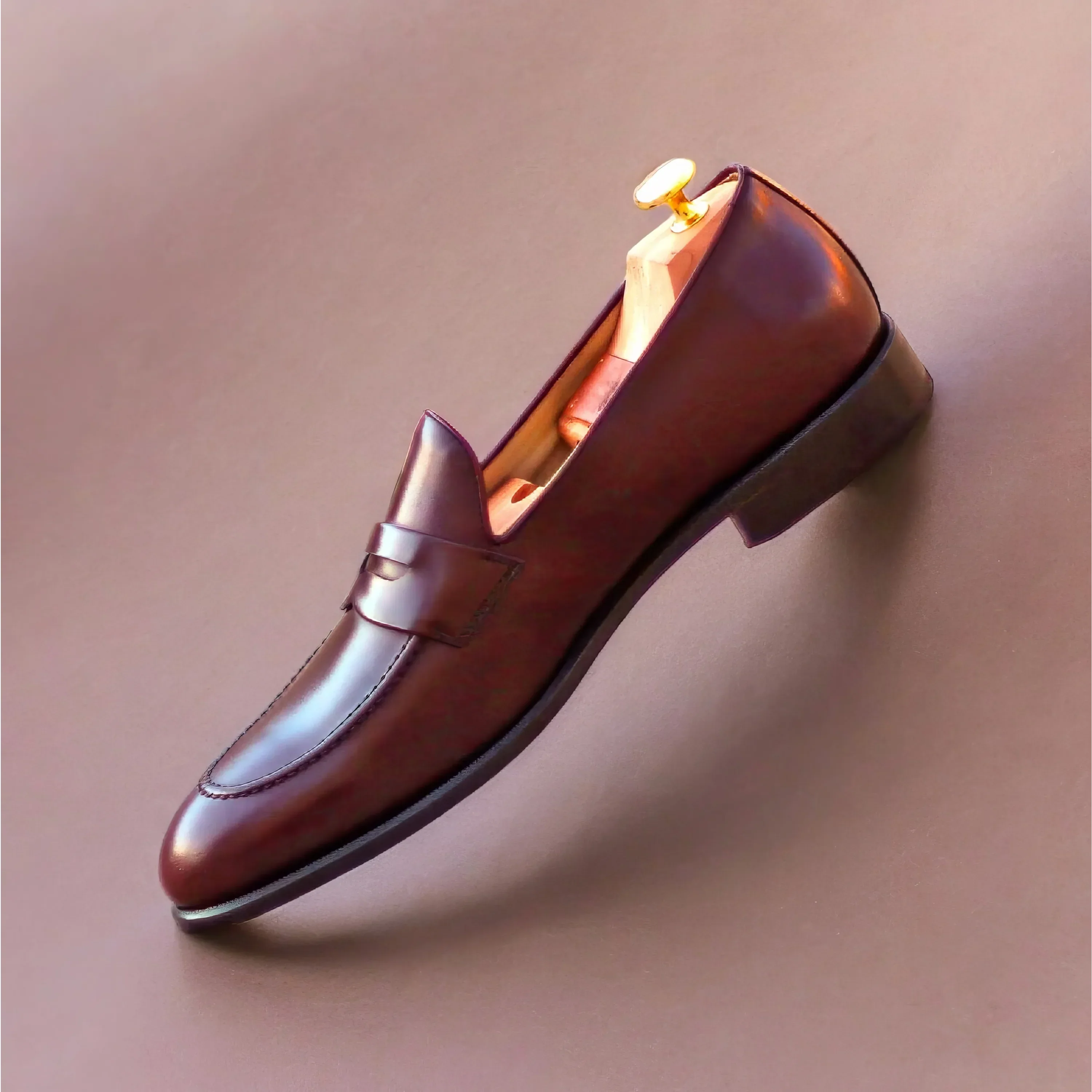
Next comes Santoni. Are their machine stitches really worth the hype? Or are they just corporate fluff? Compare that to our Dymo Flex Slip On Shoes II. Designed using bespoke shoe last engineering and respecting foot anatomy, our shoes bank on true quality.
The Rationale: Why Artisan over Mass-Market?
Pros
- Unrivaled fit: Our Savile last fit is more than a myth—it's a promise. You wouldn't accept mass-market Savile Row, so why treat your feet any differently?
- Foot arch support: Our hand-cut patterns and floating horsehair canvas offer unmatched comfort. You don't find these materials in stock shoes.
- Durability: Functional buttonholes and hand-cut paper patterns ensure lasting wear.
Cons
- Price: True craftsmanship doesn't skimp, and neither should your wallet. Yet, it pays back in longevity.
- Time: Precision requires time and patience. Forget about immediate gratification.
Closing: Own Real Quality

Stop accepting plastic disguises and second-rate shortcuts under glossy marketing. Own real quality. If bespoke tailoring speaks to you more than "made to measure," you're already halfway there. Step into Eagle Wellington slip on II and experience the excellence that mass-market can never achieve.
Think craftsmanship doesn’t matter? Clearly, you haven’t walked in our shoes yet. Visit The House of Que Shebley to redefine what footwear should be. Your feet will thank you, and so will your conscience.
FAQs
What is a Goodyear welt?
A Goodyear welt is a method of shoe construction where a leather strip (the welt) is stitched to the upper and the sole of the shoe. This creates a durable bond that allows for easy resoling and repair, extending the life of the footwear.
What are the benefits of Goodyear welted shoes?
Goodyear welted shoes provide exceptional durability, comfort, and water resistance. The construction method creates a sturdy shoe that can withstand wear and tear, while also allowing for the use of high-quality materials.
How does Goodyear welt construction differ from other methods?
Unlike Blake stitching or cement construction, Goodyear welt construction involves a separate welt, which allows the shoe to be resoled. This adds to the longevity of the shoe and makes it easier to maintain over time.
Are Goodyear welted shoes worth the investment?
Yes, although they may have a higher upfront cost, Goodyear welted shoes often provide substantial value over time due to their durability and the ability to resole them. This can ultimately save money compared to cheaper shoes that need to be replaced more frequently.
Do Goodyear welted shoes require special care?
While they do not require excessively special care, Goodyear welted shoes benefit from regular maintenance. This includes cleaning, conditioning, and polishing the leather, as well as periodic resoling to keep them in peak condition.
Who should consider purchasing Goodyear welted shoes?
Anyone looking for quality, durability, and comfortable footwear should consider Goodyear welted shoes. They are especially beneficial for individuals who wear shoes daily and value long-lasting products.
Can Goodyear welted shoes be made from different materials?
Yes, Goodyear welted shoes can be constructed from various high-quality leathers, suede, and other materials. The choice of material can influence the look, feel, and function of the shoe.
How long can I expect a Goodyear welted shoe to last?
With proper care and maintenance, Goodyear welted shoes can last many years, often decades. Their ability to be resoled means that they can endure longer than many other types of footwear.
Are there any downsides to Goodyear welted shoes?
While they offer many benefits, Goodyear welted shoes can be heavier and take longer to break in compared to lighter construction methods. Additionally, they may require a higher initial investment, which can deter some buyers.

Leave a comment
This site is protected by hCaptcha and the hCaptcha Privacy Policy and Terms of Service apply.