Anatomy vs Industry: The Shoe Lasts Debate
There’s a luxury lie lurking beneath your feet. You've probably heard it before: "premium shoes need a break-in period." This is the gospel according to mass-market 'luxury' brands. But let's cut through the hype. Cheap lasts are the real culprit behind bruised toes and blistered heels. Quality demands more. Welcome to the conversation that has been missing in the world of fine footwear: Anatomy vs Industry.
Table of Contents
- Table of Contents
- The Call-Out: Exposing the Luxury Myth
- The Deep Dive: Que Shebley vs. Industry Giants
- The Rationale: Why Artisan over Mass-Market
- Closing: Own Real Quality
- FAQs
The Call-Out: Exposing the Luxury Myth
"Berluti" insists there's comfort after those first painful steps. But let’s be honest, you're not paying for a train ticket through Painville with The House of Que Shebley. You've been sold a story wrapped in fancy leather and glued with marketing jargon. Corrected grain leather myths—the lies they tell about durability and shine. It's not just about the leather; it's the last that shapes the shoe, defines its fit, and decides your comfort.
Sick of modern fairy tales? Stop mourning over cracked corrected grain leather myths, mispainted plastic edges, and the “Made in Italy” labels that disguise assembly-line production.
The Deep Dive: Que Shebley vs. Industry Giants

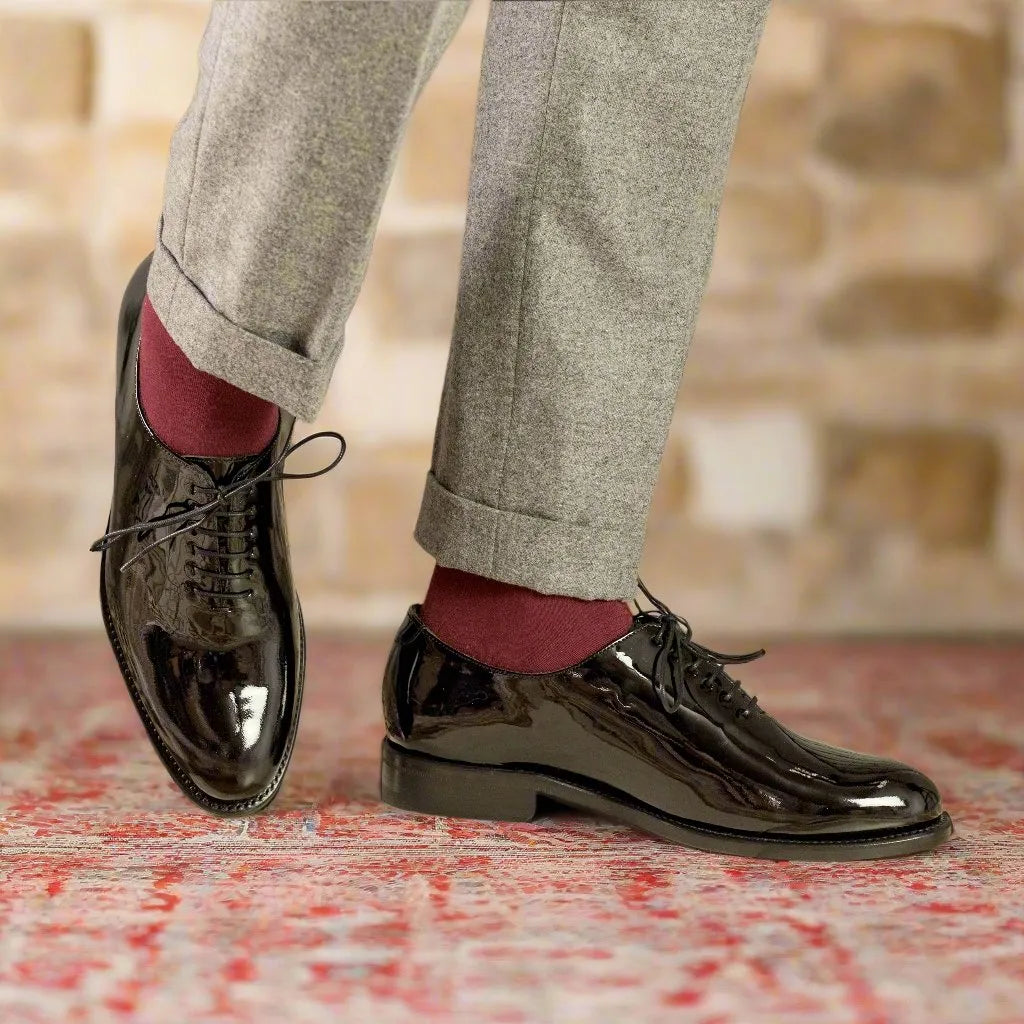
The House of Que Shebley doesn't do shortcuts. Our engineers design bespoke shoe lasts reflecting true foot anatomy, not mass production templates. Take the 5908 Whole Cut Shoes. Each pair is a masterpiece of human craft: hand-cut patterns, hand-engraved crust leather finishing, and floating horsehair canvas—elements that department store brands would never conceive.
Contrast this with "Allen Edmonds." Their goods might flaunt the "American Classic" badge, but look closer: machine-stitched seams and corrected grain leather—topped with plastic edge paint— tell a different story. The truth springs from our Plastic Edge Paint: Silent Saboteur of Shoe Durability.
Or think about "Santoni," shoving high-volume shoes into any semblance of foot arch support. They dare to compare against our Frango Patina Double Monk. Each is hand-crafted with Goodyear welt rationale, engineered for Stradivarius-level precision in fit and function.
The Rationale: Why Artisan over Mass-Market
Pros of Artisan Craftsmanship:
- True Human Touch: Every shoe and pattern echoes the legacy of hand-cut paper patterns and bespoke tailoring. Functional buttonholes don't just exist; they manifest the artisan vow to utility and elegance.
- Bespoke Last Fit: Our lasts mimic the natural foot contour—a Savile last fit unlike mass-produced clogs labeled as 'prestige'.
- Superior Materials and Craft: Unadulterated hand-engraved crust leather ages with grace and character.
Cons of Mass-Market:
- Shortcuts to Aisles: You're buying branding, not quality. Low-grade corrected grain leather is abused with plastic edge paint for quick visual appeal, leading to shoddy shelves.
- Factory Line Consistency: The syndicate mentality of high-volume production leaves no room for individual foot nuances. That painful break-in period? That’s just your foot begging for mercy.
Closing: Own Real Quality

It's time to cherish what's tangible. Navigate away from corporate allurements and embrace foot anatomy fitting with a seamless embrace of true comfort. Explore Sustainable Luxury Investment Pieces vs Overhyped Trends. Choose tangible mastery over temporary mystique.
Own the elegance that never utters excuse or breaks your stride. Indulge in the artisanship crafted with enduring promise and precision. Your journey begins with The House of Que Shebley. Embrace true luxury, where every detail matters and craftsmanship is religion.
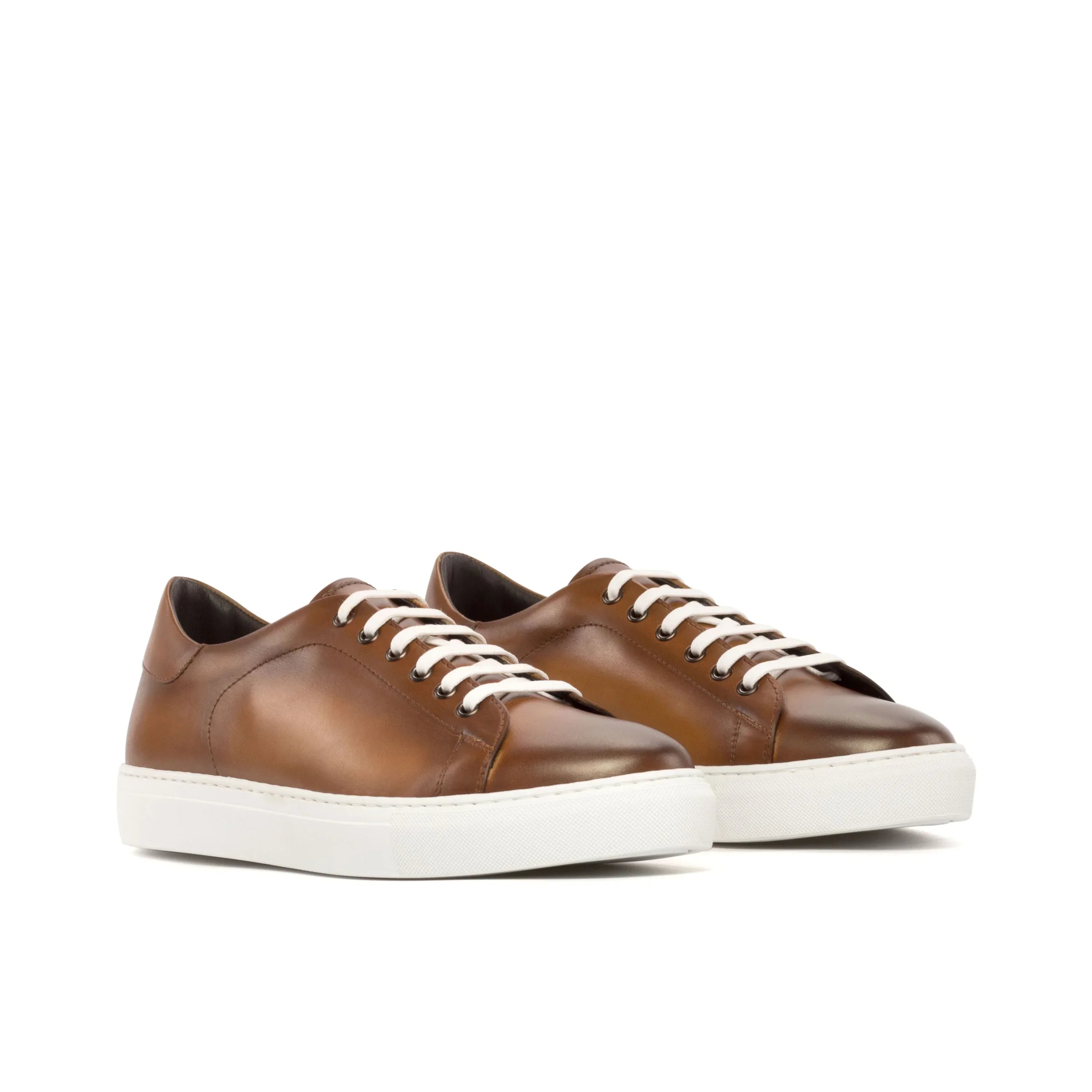
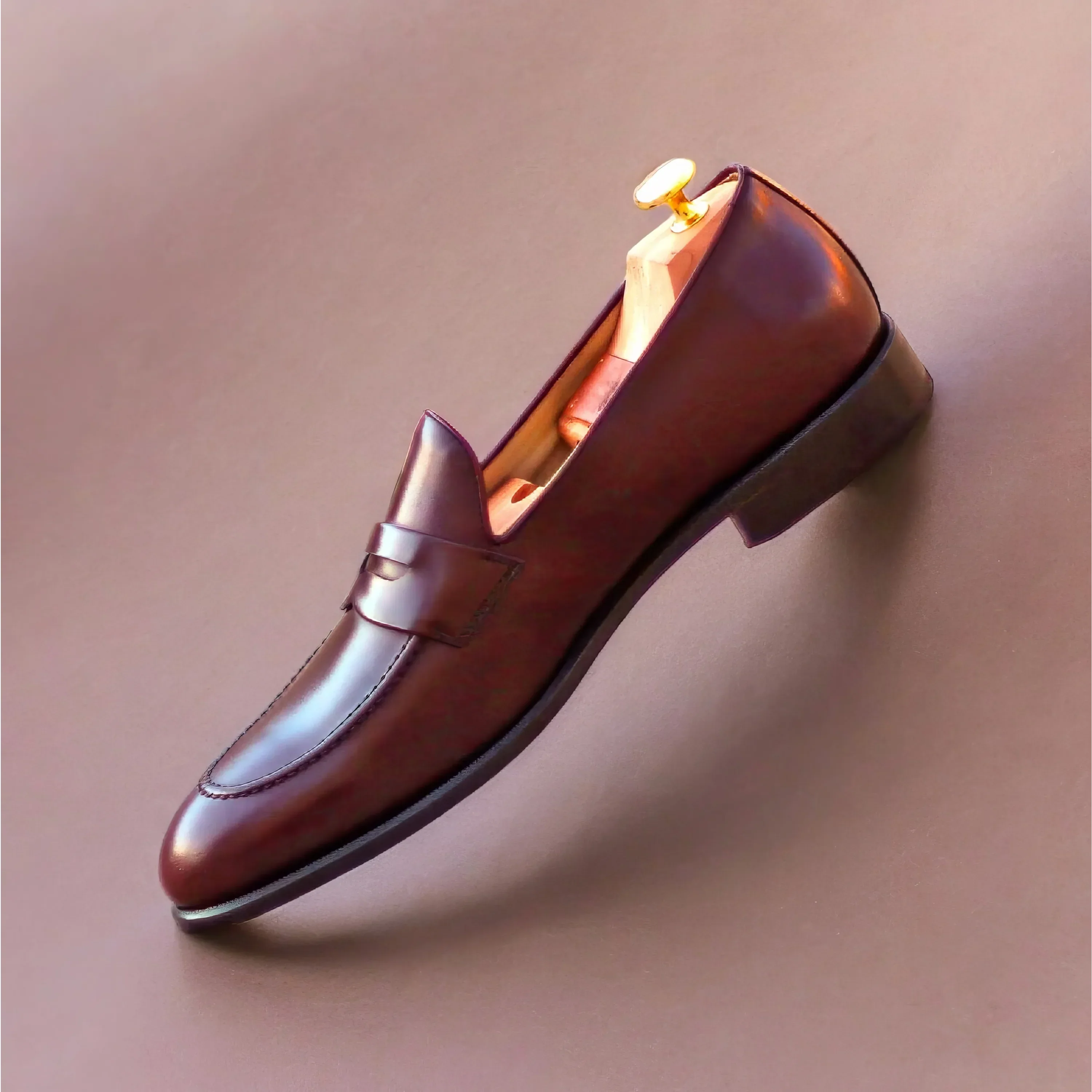
Explore greatness in our Trilo Loafers II or place your mark with our heritage-driven Hogan Oxford golf shoes II.
Choose the path less traveled. Choose Que Shebley. Explore here.
This post demands an investment—not just of your money, but of your loyalty to true craftsmanship. Step forward into genuine artistry that bends for none but holds firm against all.
FAQs
What is a shoe last?
A shoe last is a mold or form that determines the shape and fit of a shoe. It serves as the foundation upon which the shoe is constructed, influencing everything from comfort to style.
Why are shoe lasts important in the shoe industry?
Shoe lasts are crucial because they directly impact the fit, comfort, and aesthetics of the shoe. A well-designed last can enhance wearability, whereas a poorly designed last may lead to discomfort and dissatisfaction.
What is the difference between anatomical and industrial shoe lasts?
Anatomical shoe lasts are designed to closely follow the natural shape of the foot, promoting comfort and proper foot health. Industrial lasts, on the other hand, may prioritize efficiency and production speed over individual foot anatomy.
How do anatomical lasts benefit shoe wearers?
Anatomical lasts are crafted to provide better arch support, cushioning, and overall foot alignment, which can help reduce fatigue and prevent common foot problems like blisters or calluses.
What should I consider when choosing shoes based on the last type?
Consider your foot shape, arch type, and any specific foot issues you may have. If you're looking for more comfort and support, anatomical lasts might be a better choice, while industrial lasts might be suitable for more casual or fashion-driven footwear.
Are all shoes made with the same last type?
No, different shoe brands and styles use various lasts based on their design philosophy, target audience, and manufacturing processes. It’s essential to try on shoes from different brands to find the best fit for your feet.
Can I modify shoes with an industrial last to fit better?
While modification is possible, it may not always result in optimal comfort or fit. It's often better to seek out shoes made with anatomical lasts if you have specific fit needs.
How does the shoe last affect the price of the shoes?
Shoes made with anatomical lasts may require more intricate design and production processes, potentially leading to a higher price point. However, investing in a well-fitted shoe can save you money in the long run by reducing foot problems.
What innovations are being made in shoe last design?
Recent innovations include 3D printing technology and customizable lasts that adapt to the unique contours of individual feet, providing personalized fit and comfort that can improve the overall shoe-wearing experience.

Leave a comment
This site is protected by hCaptcha and the hCaptcha Privacy Policy and Terms of Service apply.