





The Mass-Market Footwear Lie: Exposing the Truth
Welcome to the world of luxury footwear, where the air is thick with the scent of marketing jargon and the seductive lure of labels. You've trudged through department stores and clicked through glitzy online platforms, only to face one lie after another. Today, let's pull back the curtain on the industry’s most audacious myth—the “break-in period.”
Table of Contents
- Table of Contents
- The Call-Out: The "Break-In Period" Scam
- The Deep Dive: Que Shebley vs. Industry Giants
- The Rationale: Why Artisan over Mass-Market
- Pros of Que Shebley:
- Cons of Mass-Market Footwear:
- Closing: An Invitation to Real Quality
- FAQs
The Call-Out: The "Break-In Period" Scam

Consider the "break-in period" touted by mass-market brands. They proclaim this like an inevitable growing pain. But in reality? It's just a euphemism for poorly crafted shoes. Berluti here might disagree, but let's cut the fluff: A well-made shoe should embrace your feet from day one.
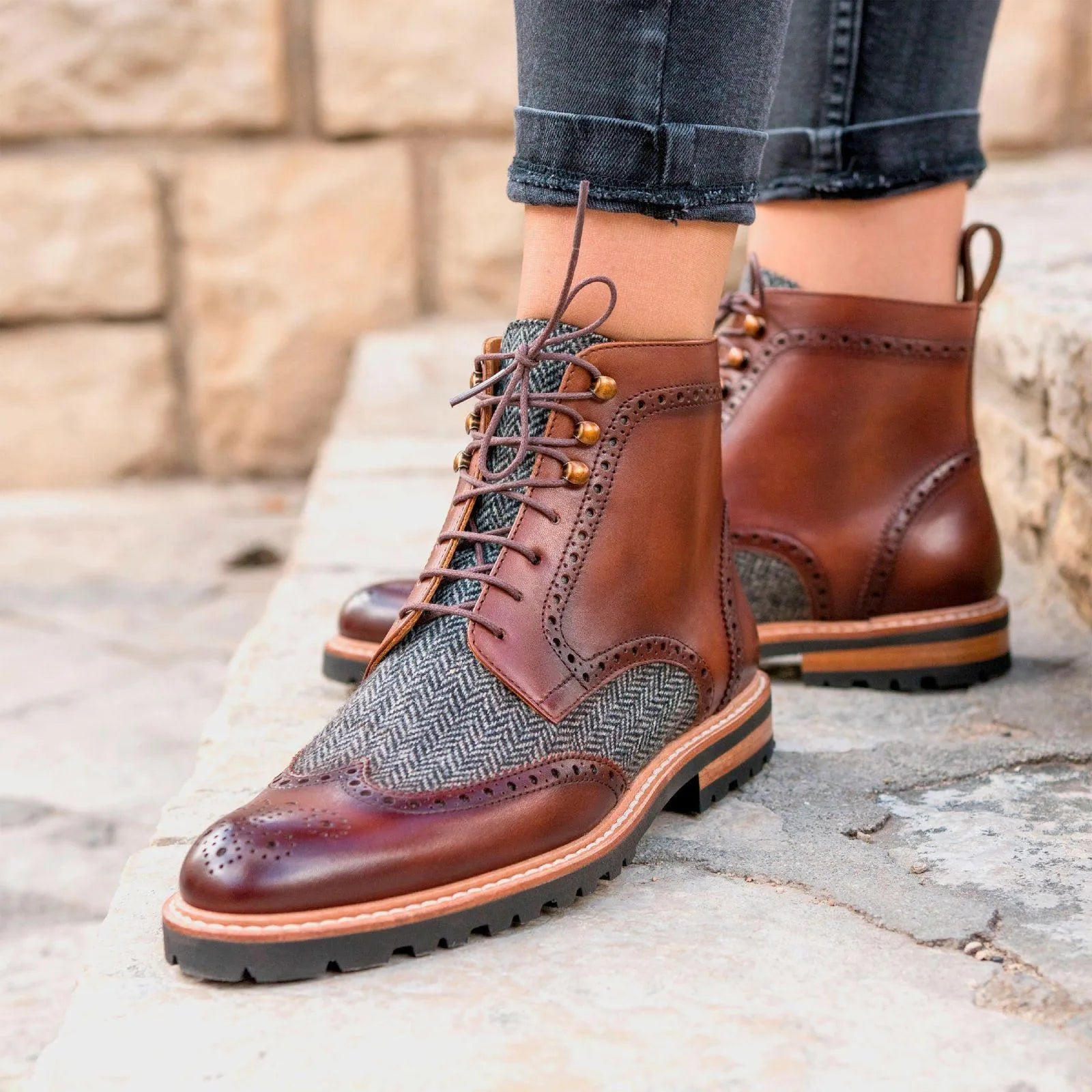
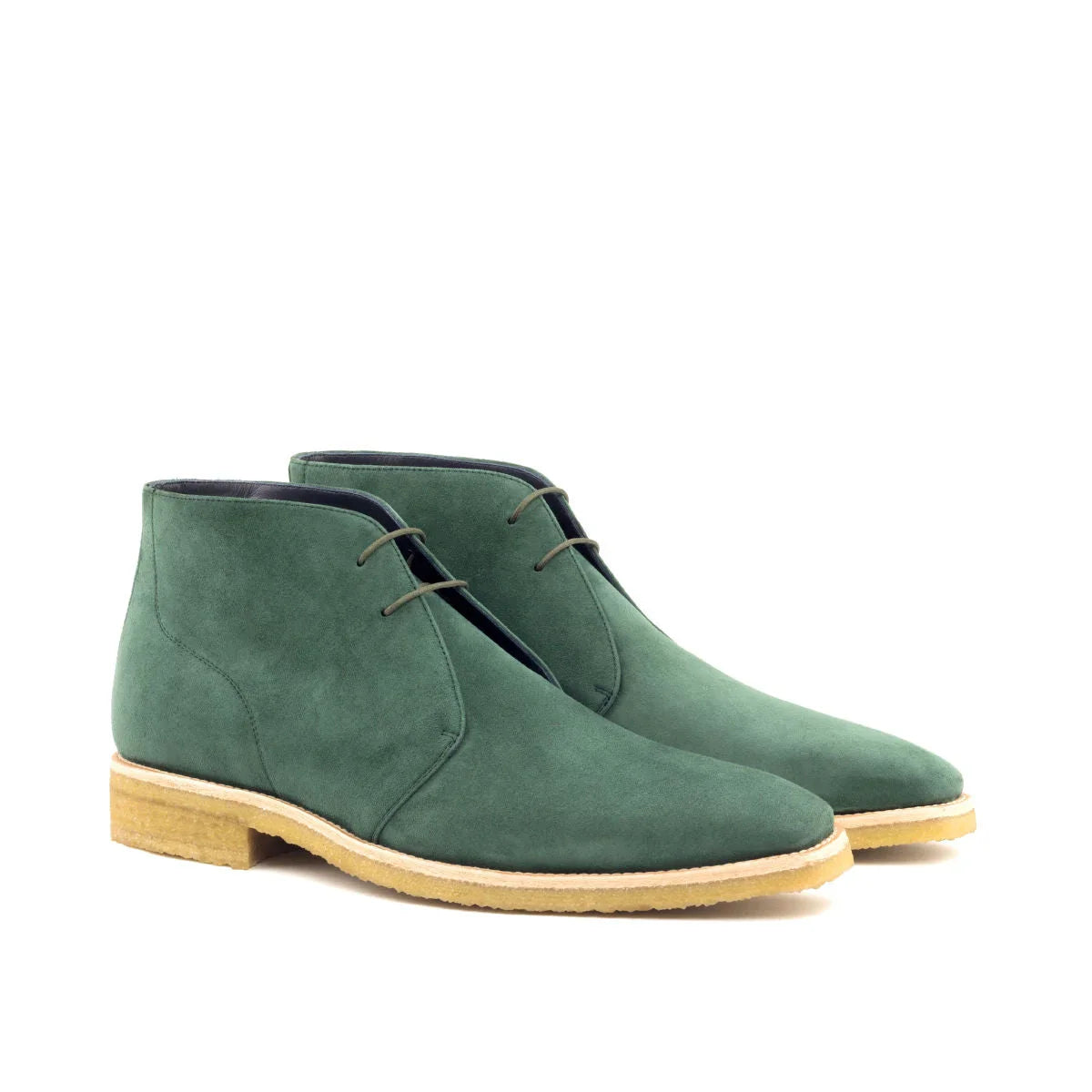
At The House of Que Shebley, our creations don’t require weeks of blisters to feel right. The moment you slide into a pair of Rapa Chukka Boots, you're not breaking them in—they're breaking you out from the chains of discomfort.
The Deep Dive: Que Shebley vs. Industry Giants

When it comes to heritage, quality, and craft, nothing compares to Que Shebley. Picture this: You’ve got department stores peddling “luxury” shoes with "Made in Italy" labels—glossy stickers slapped on items produced in assembly lines. Compare that to Que Shebley’s dedication to hand-stitching excellence, a skill passed down through generations of Lebanese artisans.
Take Allen Edmonds here, for instance. They might sell you shoes with machine-stitched soles and corrected grain leather masquerading as premium quality. But a potent A/B comparison with our Galvarino Patina Wholecut II shows what real craftsmanship looks like—flawless leather, hand-finished with precision and care.
The Rationale: Why Artisan over Mass-Market
Pros of Que Shebley:
- Exquisite Craftsmanship: Every stitch tells a story, every design a product of passion.
- Durability: Quality materials and skilled artisanship mean shoes that’ll outlast any passing trend.
- Immediate Comfort: A snug fit from the word go, absent of any “break-in” nonsense.
Cons of Mass-Market Footwear:
- Shoddy Materials: Hidden beneath a plastic facade, waiting to peel, crack, and fail you.
- Assembly Line Production: Soulless processes indifferent to perfection, far removed from the artisan's touch.
- Empty Labels: Flashy branding over genuine quality, akin to a wolf in sheep's clothing.
The echoing bells of corporate strategies ring hollow here. Santoni here and many others prize metrics over mastery, leaving you with shoes that might look good—until you wear them.
Closing: An Invitation to Real Quality

At The House of Que Shebley, we're not about bombast. We shun corporate fluff and private equity gimmicks. Our goal is simple: Craft shoes that matter and stand the test of time. So, when you invest in our Rosirto Double Monk, you're choosing to break away from mass-market tedium.
Explore our insights on what makes a true investment piece and why bespoke tailoring trumps made-to-measure in our article Expensive vs Affordable: The True Cost of Tailoring. Don’t fall prey to the designer deterioration here; make a choice for genuine integrity.
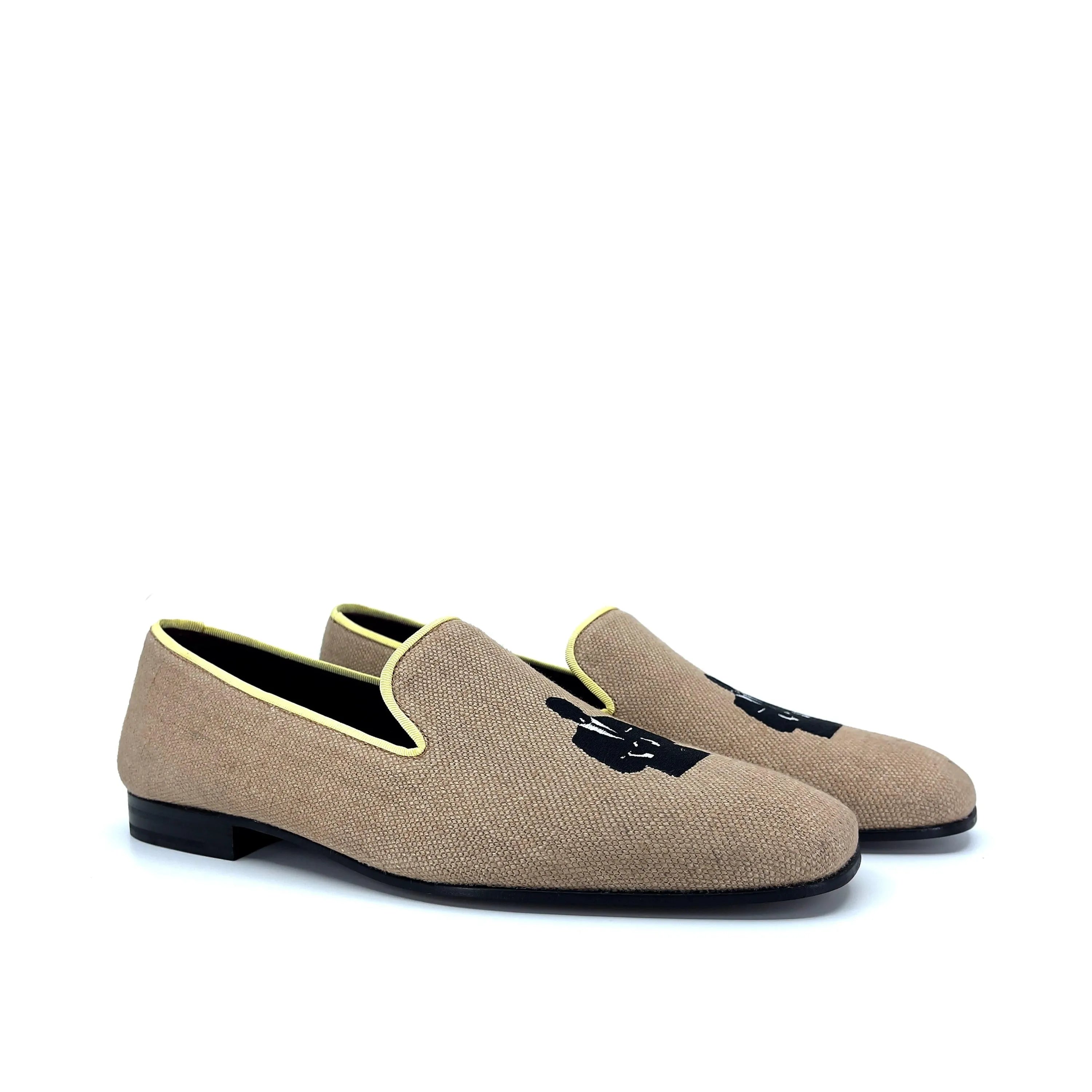
Step into the world of artistic excellence with our Ibb Belgian Monk Slipper and claim craftsmanship that needs no pretense. Embrace the artistry that celebrates you as an individual. It’s time to own real quality.
For more revelations and unmatched collections, begin your journey at The House of Que Shebley.
FAQs
What does the term 'mass-market footwear' refer to?
Mass-market footwear refers to shoes that are produced in large quantities, typically designed for affordability and accessibility. These shoes are often marketed to the general public and are usually found in retail chains and online stores.
Why are mass-market shoes often less expensive than premium brands?
Mass-market shoes are generally produced using lower-cost materials and manufacturing processes to keep retail prices down. Economies of scale allow companies to sell these shoes at a lower price point, making them appealing to a wider audience.
Are mass-market shoes as durable as high-end footwear?
Not necessarily. While some mass-market shoes can be surprisingly durable, they are often made with less robust materials, which can affect their longevity. High-end footwear typically invests more in quality materials and craftsmanship.
How can I identify quality footwear when shopping?
Look for details such as stitching quality, the type of material used, and the construction method. Well-made shoes will have reinforced seams and use premium leather or other high-quality materials. Don't hesitate to ask questions about the shoe's origin and materials.
Is it worth investing in higher-end footwear?
Investing in higher-end footwear can be worth it if you value quality, comfort, and longevity. Premium shoes are often designed with better ergonomics and support, which can enhance foot health over time.
What are some common misconceptions about mass-market footwear?
Many believe that all mass-market shoes are of poor quality and comfort. However, some brands have made significant strides in improving their designs and materials, creating comfortable and stylish options that rival their more expensive counterparts.
Can affordable footwear still offer good arch support?
Yes, while many mass-market shoes may lack adequate support, some brands are now focusing on ergonomic design, providing options that feature decent arch support without breaking the bank. Always check product specifications and customer reviews.
How can I care for my shoes to extend their lifespan?
To extend the lifespan of your shoes, regularly clean them according to the material type, store them properly, and use protective sprays to guard against water and stains. Rotating your footwear can also help reduce wear and tear.
Are there ethical concerns surrounding mass-market footwear production?
Yes, there are often ethical concerns regarding labor practices, environmental impact, and sustainability in mass-market production. Researching brands that prioritize responsible practices can help you make more informed purchasing decisions.


发表评论
此站点受 hCaptcha 保护,并且 hCaptcha 隐私政策和服务条款适用。