


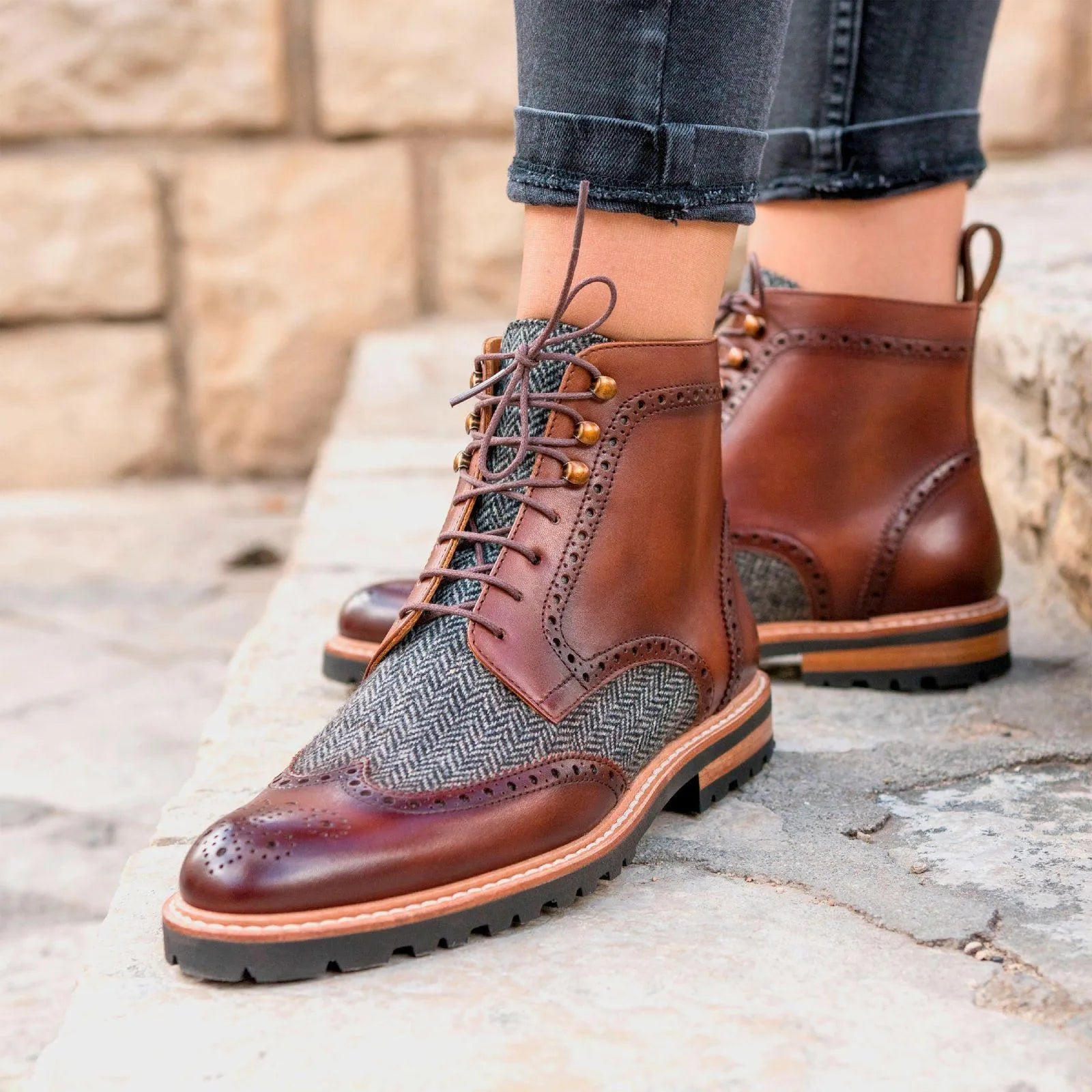




Old World Craftsmanship 2026 Trends: A New Dawn
Table of Contents
- Table of Contents
- The Call-Out: Exposing Myths in the Shoe Industry
- The Deep Dive: Que Shebley vs. Berluti
- The Rationale: Why Artisan over Mass-Market
- Pros:
- Cons:
- Closing: A Call to Real Craftsmanship
- FAQs
The Call-Out: Exposing Myths in the Shoe Industry
Let's get one thing clear: luxury isn't about logos. It's about legacy. Don't let the marketing wizards trick you into believing that a stamped logo equates to quality. The common pseudo-gospel these days? Machine-made is as good as hand-stitched. A blatant lie. Machines lack soul, they lack the history and careful touch that comes with years of honing a craft. Click over to Machine-made vs Hand-stitched: The Hidden Truth of Craftsmanship if you need a deeper dive.
The industry titans love "corrected grain" leather. Why? It's cheap and mass-producible. But here's a truth bomb: it's an inferior product posing as top-tier. The House of Que Shebley stands firmly against these myths. We're about authenticity, independence, and skill, not ticking a box on a corporate spreadsheet.
The Deep Dive: Que Shebley vs. Berluti

Let's talk Berluti for a moment. Attaching a well-known name to average craftsmanship. High prices serve to fund ostentatious branding rather than genuine artistry. Their footwear selection? Machine-stitched, like a bad photocopy of a masterwork. You might as well wear a barcode on your feet. In stark contrast, The House of Que Shebley delivers true artisan quality.
Our Zino Low Top Sneaker II and Hilo Oxford Shoes are meticulously hand-stitched. Each pair a testament to Lebanese craftsmanship that embodies both heritage and heart.
The Rationale: Why Artisan over Mass-Market
Pros:
- Manual care in every stitch.
- Genuine, unblemished leather.
- Uniqueness and personality.
- Long-lasting quality.
Cons:

- Higher initial investment, but you get what you pay for. Value transcends dollars.
Then there's the artistry behind our TheDon Alligator Loafers II. They're a real investment—a promise of sustainable luxury that holds value over time. Our artisans invest their skills into every pair, making the House of Que Shebley's offerings a cut above the rest.
Closing: A Call to Real Craftsmanship
Want footwear that tells a story? Or shall we let the masses dictate your choices? Visit The House of Que Shebley to discover true craftsmanship. It's time to walk the walk with purpose. Be part of the new dawn in luxury—where craftsmanship reigns supreme. Don't just wear craftsmanship; live it.
Interested in the art of tailoring for a modern CEO? Explore our take on bespoke elegance—the subject of our upcoming insights. Step away from the cookie-cutter crowd and embrace what really matters: quality over hype, authenticity over a brand name. It's not just footwear; it's art for your feet.
To learn more about the deep connection between legacy and innovation, check out Legacy vs Innovation: The Rationale Behind a $5k Jacket. Transform your wardrobe into a gallery of artisanal masterpieces.
FAQs
What is Old World craftsmanship?
Old World craftsmanship refers to traditional techniques and artisanal skills that have been passed down through generations. It emphasizes attention to detail, quality materials, and a dedication to the craft, resulting in unique and durable products.
Why is Old World craftsmanship gaining popularity in 2026?
In 2026, there is a growing appreciation for handmade, artisanal products as consumers seek authenticity in their purchases. This trend is fueled by a desire for sustainable practices and a connection to heritage and tradition.
How can I identify products made with Old World craftsmanship?
Look for products that highlight handcrafted methods, unique designs, and the use of natural, high-quality materials. Artisans often provide information about their techniques and sourcing, which can be a key indicator of their commitment to traditional craft.
Are Old World craftsmanship products expensive?
While some Old World crafted items may come with a higher price tag due to the labor-intensive processes and quality materials involved, many consumers find that these products offer greater longevity and unique character, making them a worthwhile investment.
What role does sustainability play in Old World craftsmanship?
Sustainability is often a core principle of Old World craftsmanship. Many artisans prioritize environmentally friendly practices, using renewable resources and minimizing waste, which aligns with contemporary environmental movements.
Can I find Old World craftsmanship in modern designs?
Absolutely! Many contemporary designers are blending Old World craftsmanship with modern aesthetics. This fusion creates timeless pieces that honor tradition while appealing to modern sensibilities and trends.
Are Old World craftsmanship products suitable for everyday use?
Yes, many products crafted using these techniques are designed for durability and practicality, making them perfect for everyday use. From furniture to kitchenware, these items often stand the test of time and can be enjoyed daily.
Where can I buy Old World craftsmanship items?
You can find these items at specialty stores, artisanal markets, and online boutiques that focus on handcrafted goods. Look for retailers that support local artisans or showcase international craftsmanship to discover unique offerings.
How can I care for Old World craftsmanship products?
Caring for these products typically involves following specific guidelines that vary depending on the materials used. Generally, it’s best to use gentle cleaning methods, avoid harsh chemicals, and store items properly to maintain their integrity and appearance over time.


发表评论
此站点受 hCaptcha 保护,并且 hCaptcha 隐私政策和服务条款适用。