


The Overpriced Downgrade: Why Cheap Luxury Spells Trouble
Table of Contents
- Table of Contents
- The Call-Out
- The Deep Dive
- The Rationale: Why Artisan over Mass-Market
- Pros
- Cons
- Closing
- FAQs
The Call-Out
Let's unearth a common deception in the so-called luxury world—the myth of the "break-in period." Corporates love selling you shoes that are as stiff as boards, claiming they’ll magically mold to your foot over weeks. This is nothing more than a cover-up for poor craftsmanship. If you’re paying top dollar, the shoes should fit like a dream right out of the box—no exceptions. The industry trick is feeding you mass-produced goods wrapped in the guise of exclusivity.
The Deep Dive

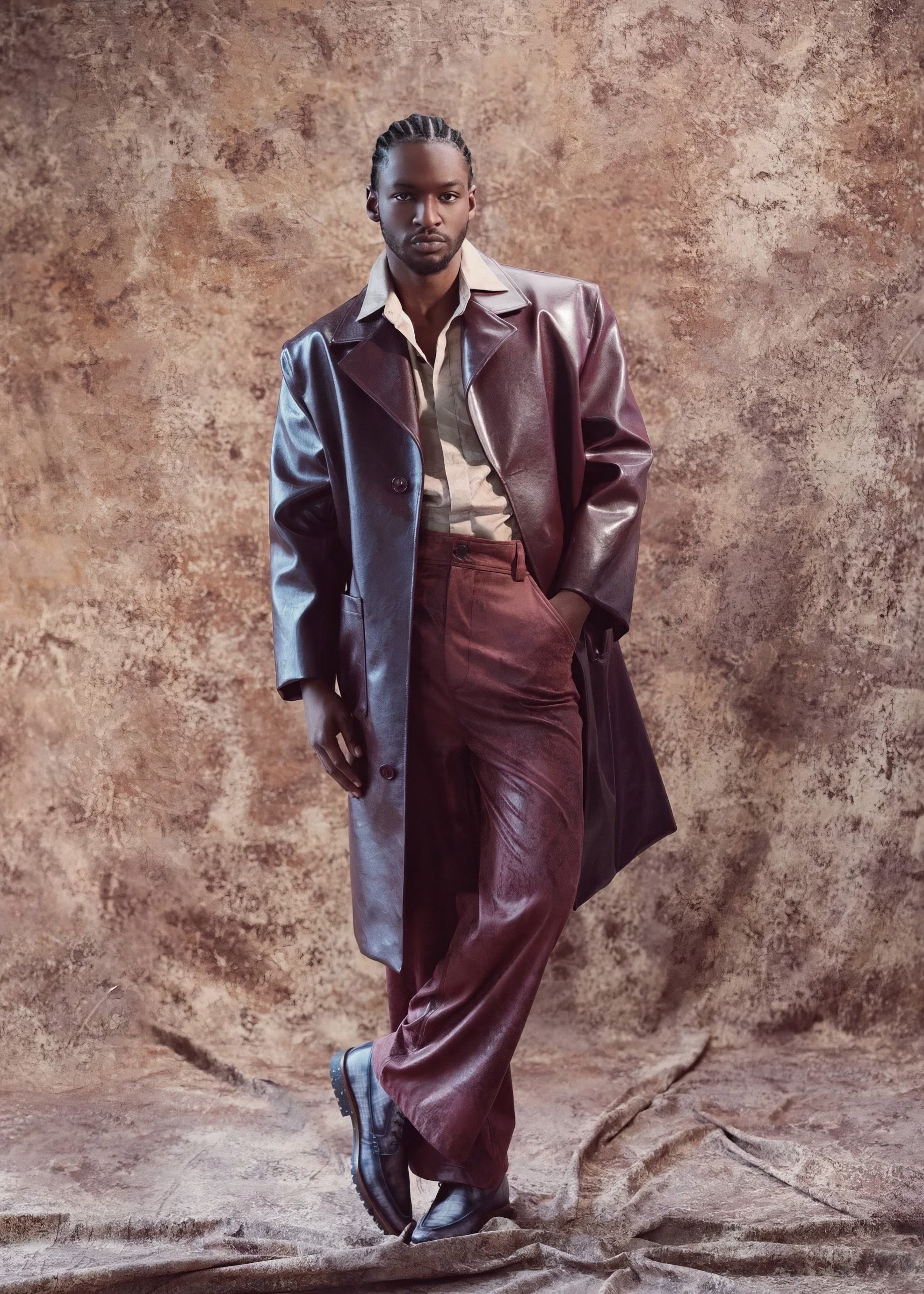
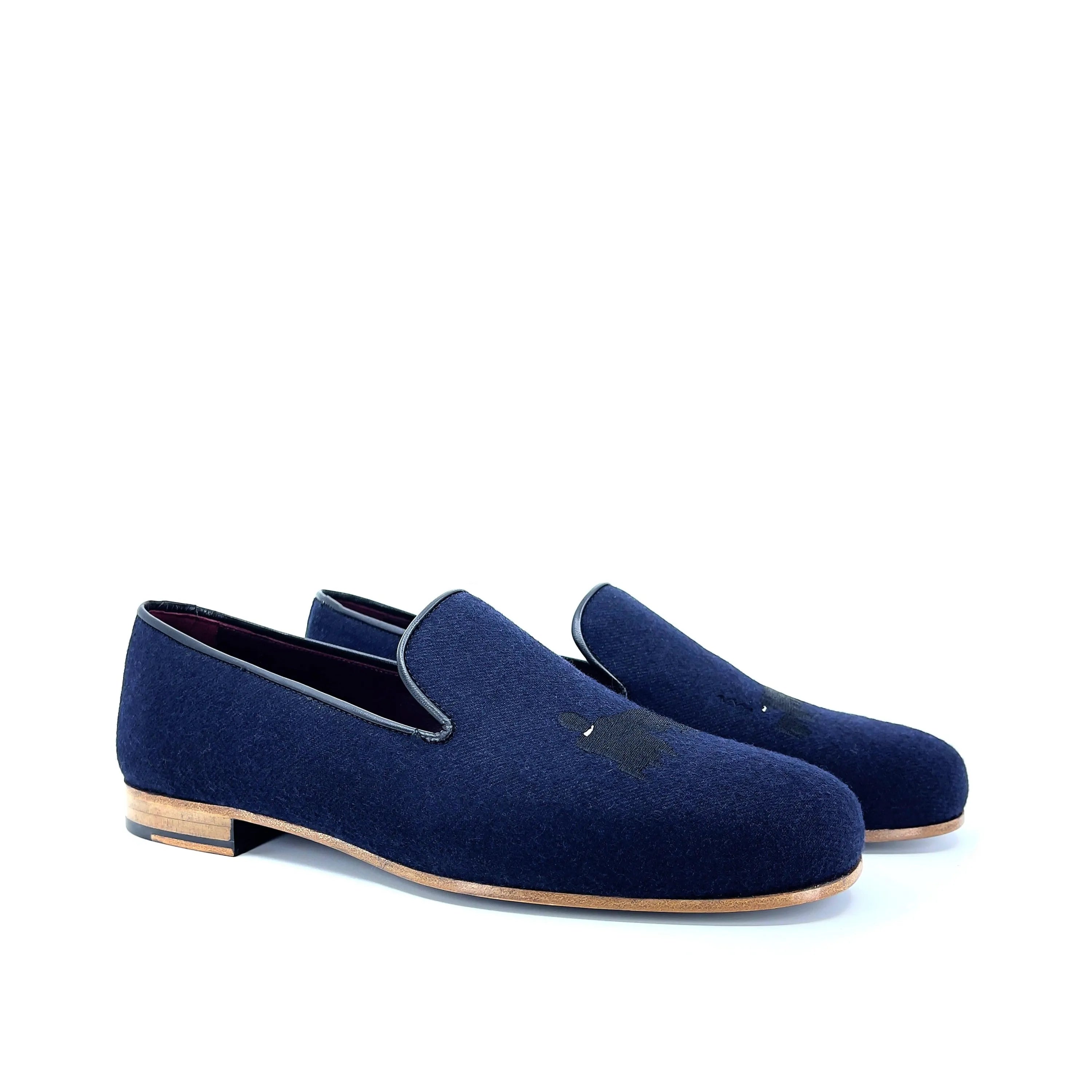
Here's where we put The House of Que Shebley head-to-head with the industry giants. This isn’t just about style, but substance. Take Berluti for example. They market their "Made in Italy" label heavily, but what they won’t advertise is how most of these shoes are pieced together in laser-focused automated lines. Compare that to our DDrapper Wellington Slipon II, meticulously hand-stitched to perfection. Every thread tells a story, of hands that shape and sculpt till each shoe is a masterpiece.
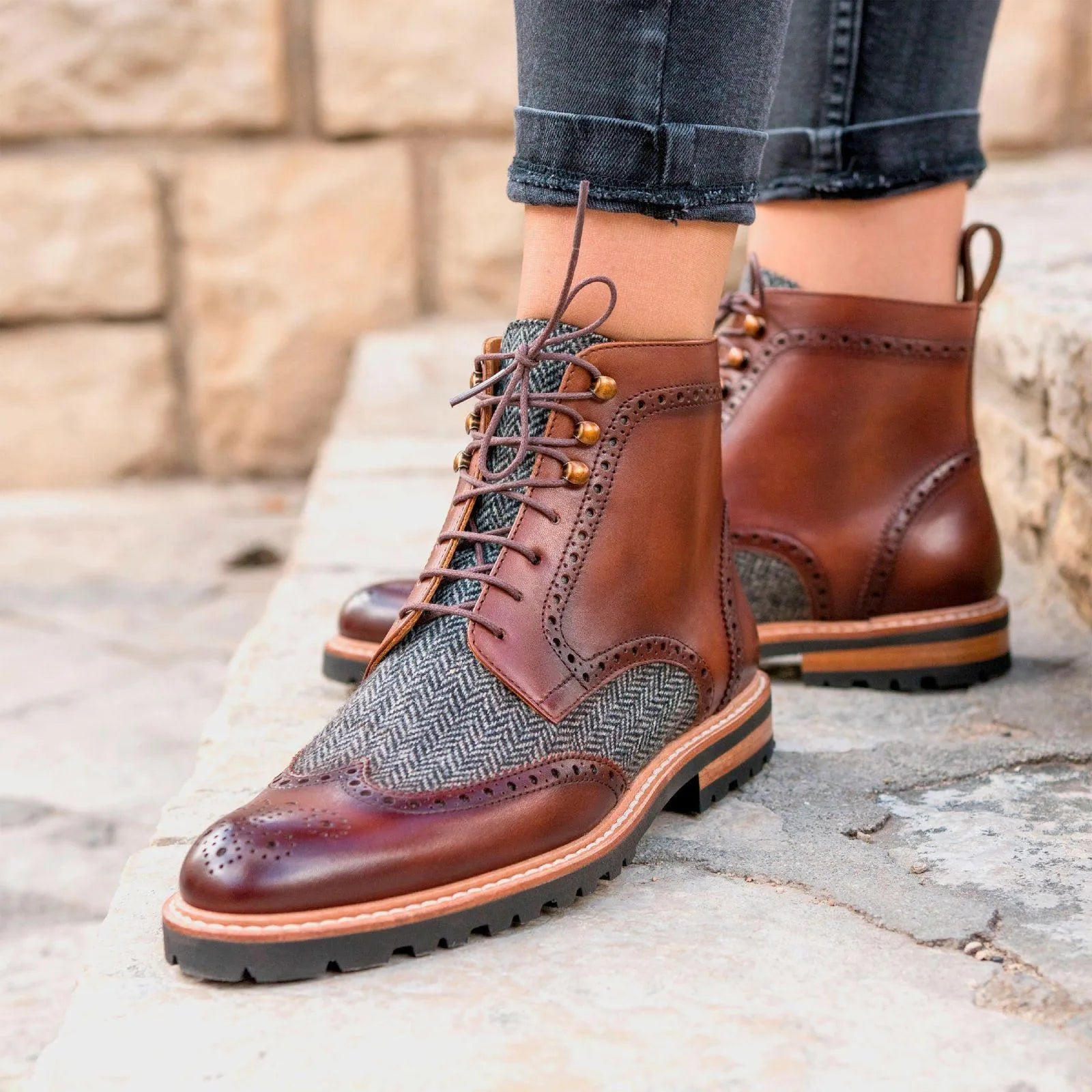
Switch gears to Allen Edmonds. They boast about American craftsmanship but rely heavily on machine stitching and corrected grain leather. Meanwhile, we hand-craft each of our Trinidad Chelsea Sneaker Boots II with full-grain leather—unaltered, untainted, and naturally beautiful.
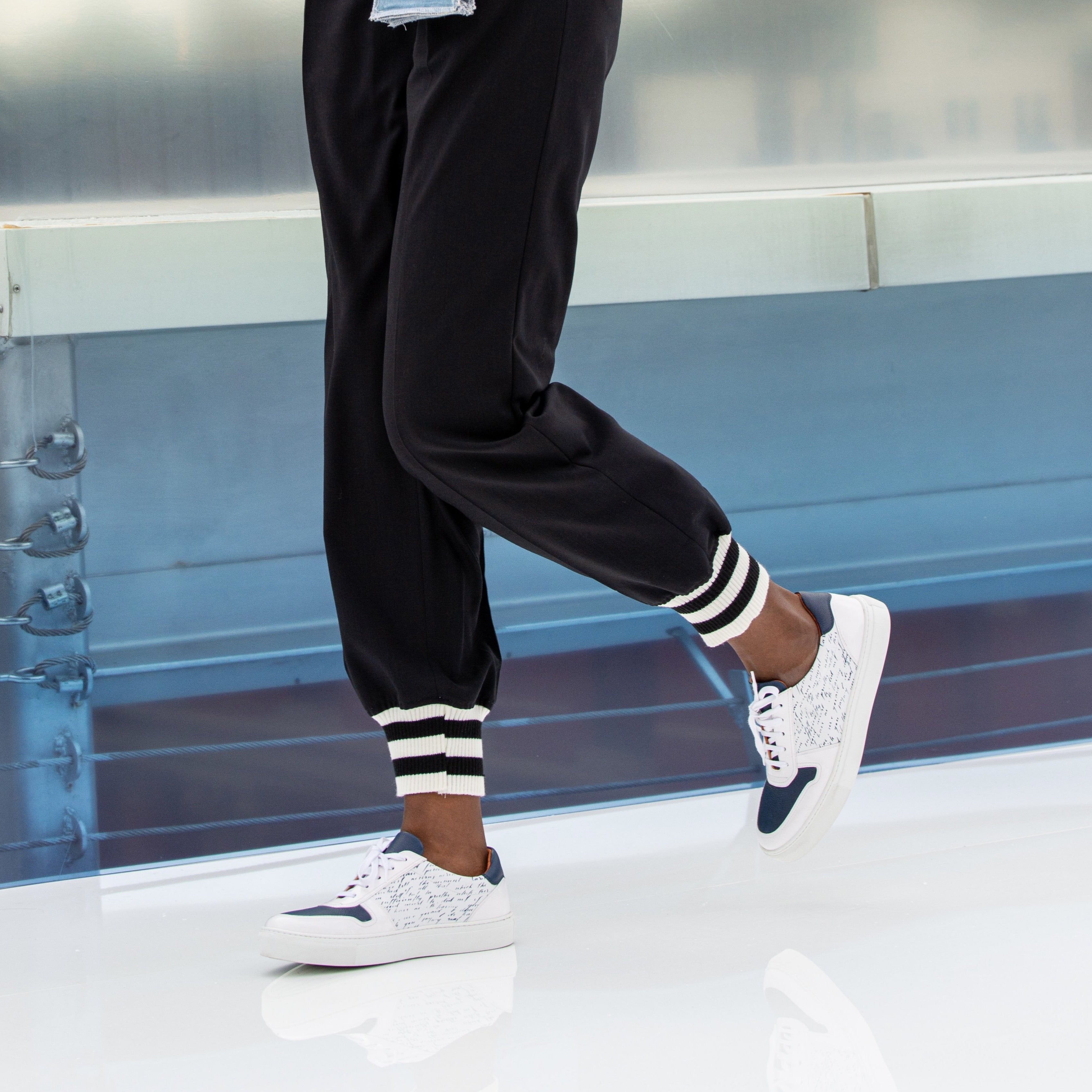
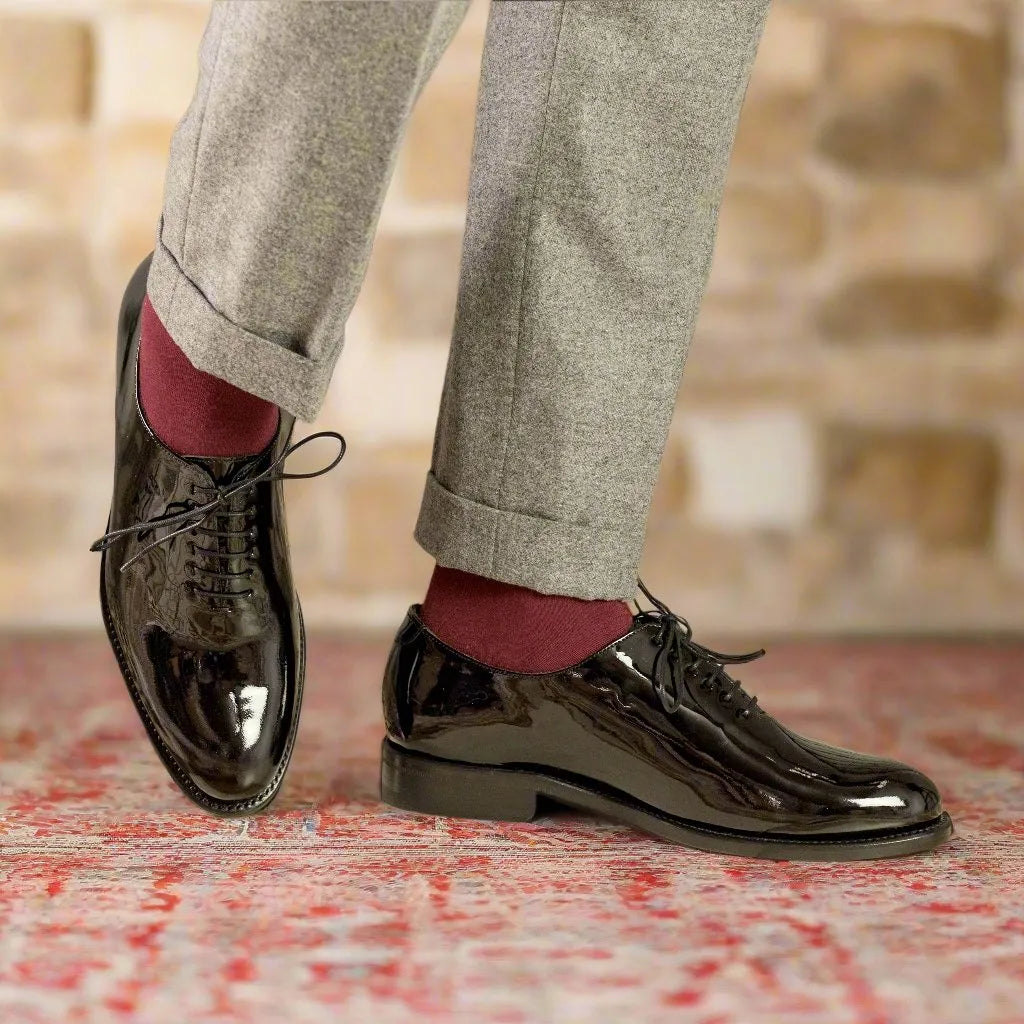
Then there’s the so-called premium offering from Santoni, priced up for nothing more than a standardized stamp. The difference? Our Vardon Oxford Golf Shoes II offers you integrity—crafted to hug your feet like a glove, thanks to the handcrafted details that make artificial shortcuts obsolete.
The Rationale: Why Artisan over Mass-Market
Pros
- Authentic Craftsmanship: Hand-stitched and handmade, The House of Que Shebley products boast an artisanal touch no factory line can replicate.
- Quality Materials: Full-grain leather speaks quality. It ages with grace, unlike corrected leather with plastic paint which peels off like dried plaster.
- Unique Fit: Bespoke tailoring vs made to measure is a debate closed. Our bespoke solutions tailor each piece to your body like a second skin.
Cons
- Instant Gratification Defeated: True craftsmanship requires time. If you seek instant delivery over quality, you’re missing the point.
- No Flashy Advertising Gimmicks: Advertising fluff is absent. What you see is pure craft, without boardroom metrics obstructing authenticity.
For more on why we forsake mass production, read our Mass Produced vs Foot Anatomy: A Comfort Exposé.
Closing

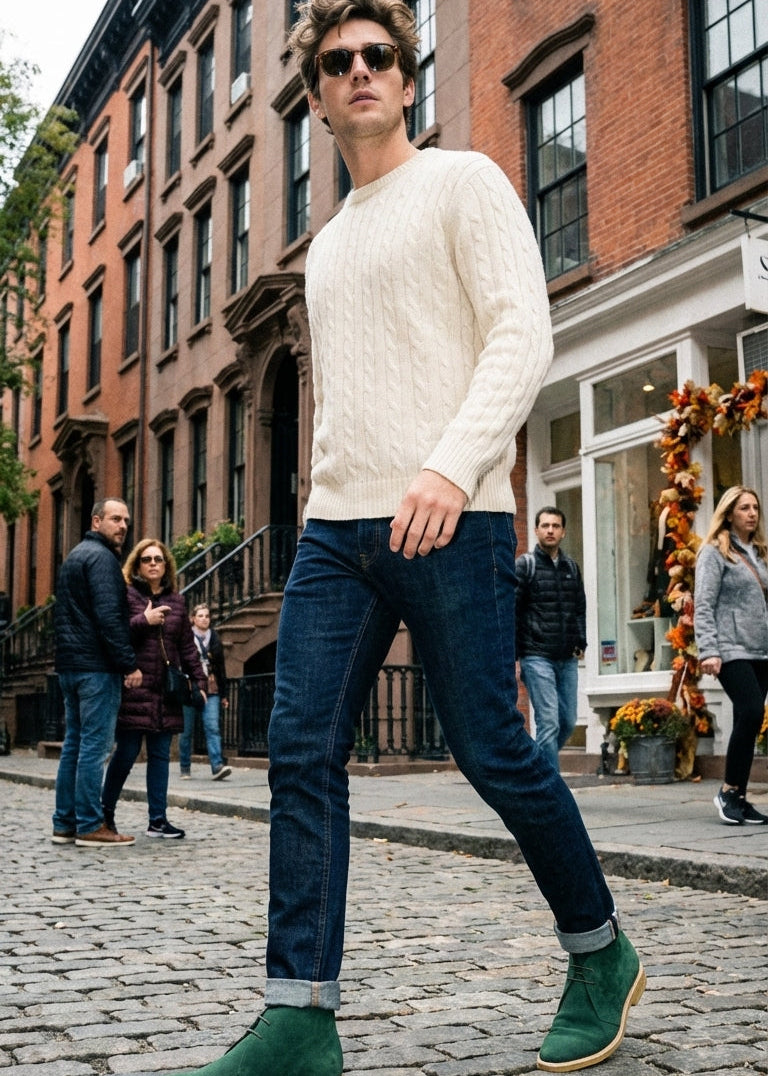
True luxury shouldn’t be an oxymoron. It’s time to sidestep the corporate gig and embrace the honest integrity of The House of Que Shebley. Get yourself a pair of Jorgo Double Monk Shoes II if you value craft over convention. Check out how we expose mass-produced myths in our blog post on Designer Suits Bubble Exposed: The $5000 Glue Flaw and remember, real quality starts here: Que Shebley. Why settle for the puff pastry of pretentious luxury when you can own the loaf of timeless artisan excellence?
FAQs
What is meant by "cheap luxury"?
Cheap luxury refers to products or brands that position themselves as luxurious but are priced significantly lower than traditional luxury offerings. This can create a perception of elegance while compromising on quality.
Why do some consumers opt for cheap luxury items?
Many consumers are drawn to cheap luxury items as they provide a sense of status and style without a hefty price tag. It allows individuals to enjoy the aesthetics of luxury without financial strain, appealing to a broader audience.
What are the potential downsides of buying cheap luxury?
The downsides include lower quality materials, lack of craftsmanship, and potentially unethical production practices. Consumers may find that these items don’t last as long or perform as well as authentically luxurious products.
How can I identify genuine luxury items versus cheap luxury?
Look for indicators of quality, such as materials, craftsmanship, and brand reputation. Authentic luxury brands often have a long history and strict quality control processes, while cheap luxury can be more mass-produced with a focus on quick turnover.
Is cheap luxury a sustainable choice?
Often, cheap luxury items are not sustainable. They can encourage fast fashion practices, leading to environmental and ethical issues, as they may be produced in bulk with little regard for sustainable sourcing or labor practices.
How does the branding of cheap luxury differ from high-end luxury?
Cheap luxury branding typically relies on clever marketing strategies that emphasize perceived value and aspirational lifestyles, while high-end luxury brands focus more on heritage, craftsmanship, and exclusivity.
Can investing in cheap luxury items be considered a smart financial decision?
While it may seem financially savvy at first, investing in cheap luxury often leads to additional costs over time due to replacement or repair needs, which can ultimately outweigh the initial savings.
What psychological effects can cheap luxury have on consumers?
Purchasing cheap luxury can create temporary satisfaction or boost self-esteem, but it may also lead to disappointment when the reality of the product doesn't match expectations, potentially resulting in buyer's remorse.
Are there any legitimate benefits to purchasing cheaper luxury brands?
Some cheaper luxury brands may offer aesthetically pleasing designs and trendy items that cater to specific fashion tastes, allowing consumers to express their style without the commitment of higher-end luxury financial investments.
What should I consider before purchasing a cheap luxury item?
Consider the quality, brand reputation, sustainability practices, and how well the item aligns with your personal values and long-term needs. Reflecting on how much you’ll actually use the item can also help inform your decision.

댓글 남기기
이 사이트는 hCaptcha에 의해 보호되며, hCaptcha의 개인 정보 보호 정책 과 서비스 약관 이 적용됩니다.