



The Lie of Mass Produced Luxury Shoes Unveiled
Table of Contents
- Table of Contents
- The Call-Out
- The Deep Dive
- Que Shebley vs [John Lobb](https://shopqbyqs.com/)
- Closing
- FAQs
The Call-Out
The contemporary landscape of high-end footwear is frequently obscured by elaborate marketing narratives that prioritize brand prestige over structural integrity. A pervasive misconception within the industry suggests that mass-produced footwear, emerging from automated assembly lines, possesses the same caliber as traditional hand-worked items. In reality, many prestigious labels offer "luxury" products that prioritize high-volume manufacturing over individual artistry. To secure genuine luxury shoes, one must look beyond the logo and evaluate the fundamental construction techniques and material provenance that define a truly superior garment.
The Deep Dive
Que Shebley vs John Lobb

John Lobb is a name deeply embedded in the history of English footwear, yet modern consumers must distinguish between their bespoke heritage and their ready-to-wear offerings. Many contemporary iterations from such legacy brands utilize machine-stitching and automated lasting to maintain global supply chains, often resulting in a price point that reflects historical prestige rather than artisanal labor. A primary concern involves the use of "corrected grain" leather—a material that has been chemically treated and sanded to remove natural imperfections. While this ensures uniformity for mass production, it compromises the leather's breathability and its ability to develop a graceful patina over time.
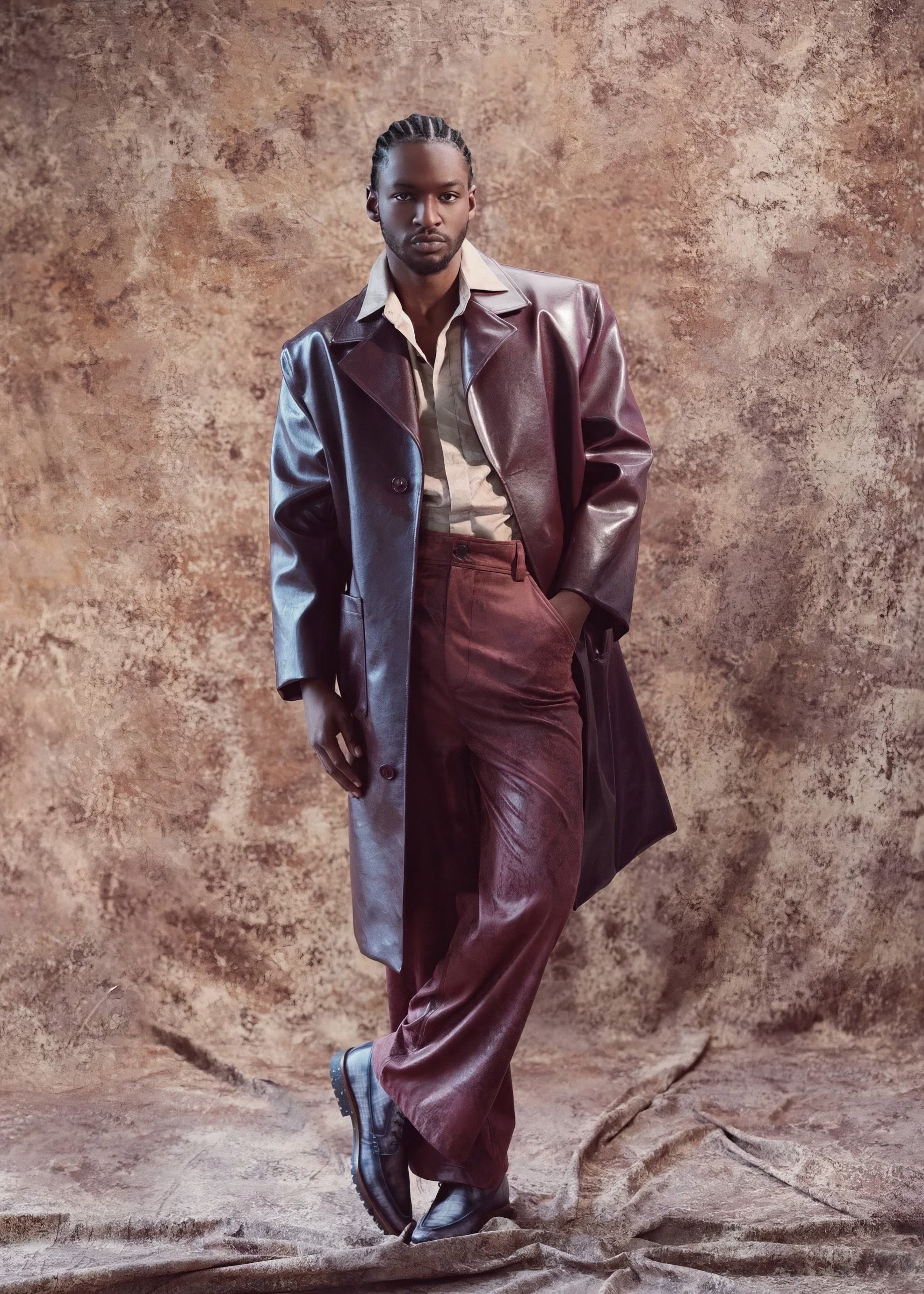
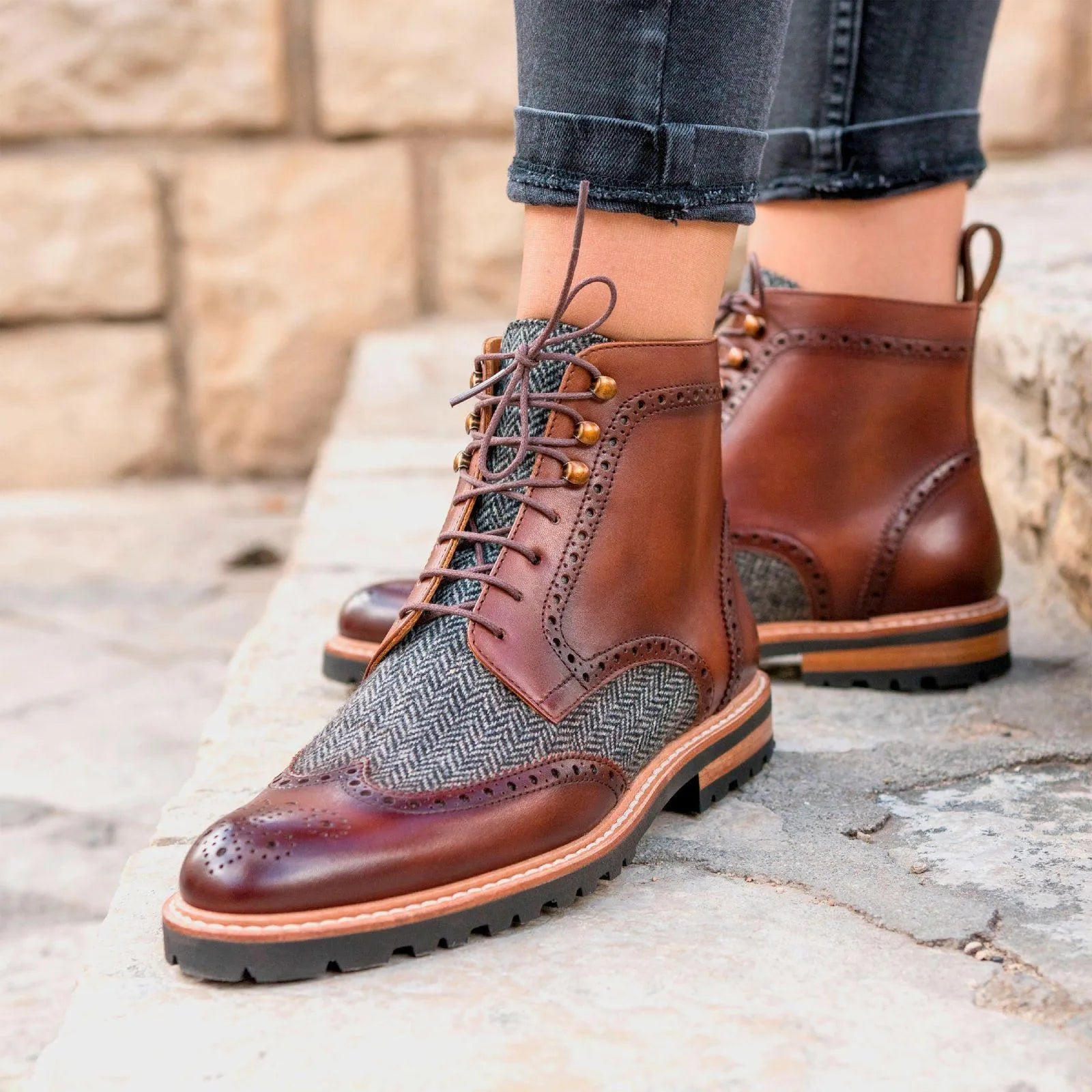
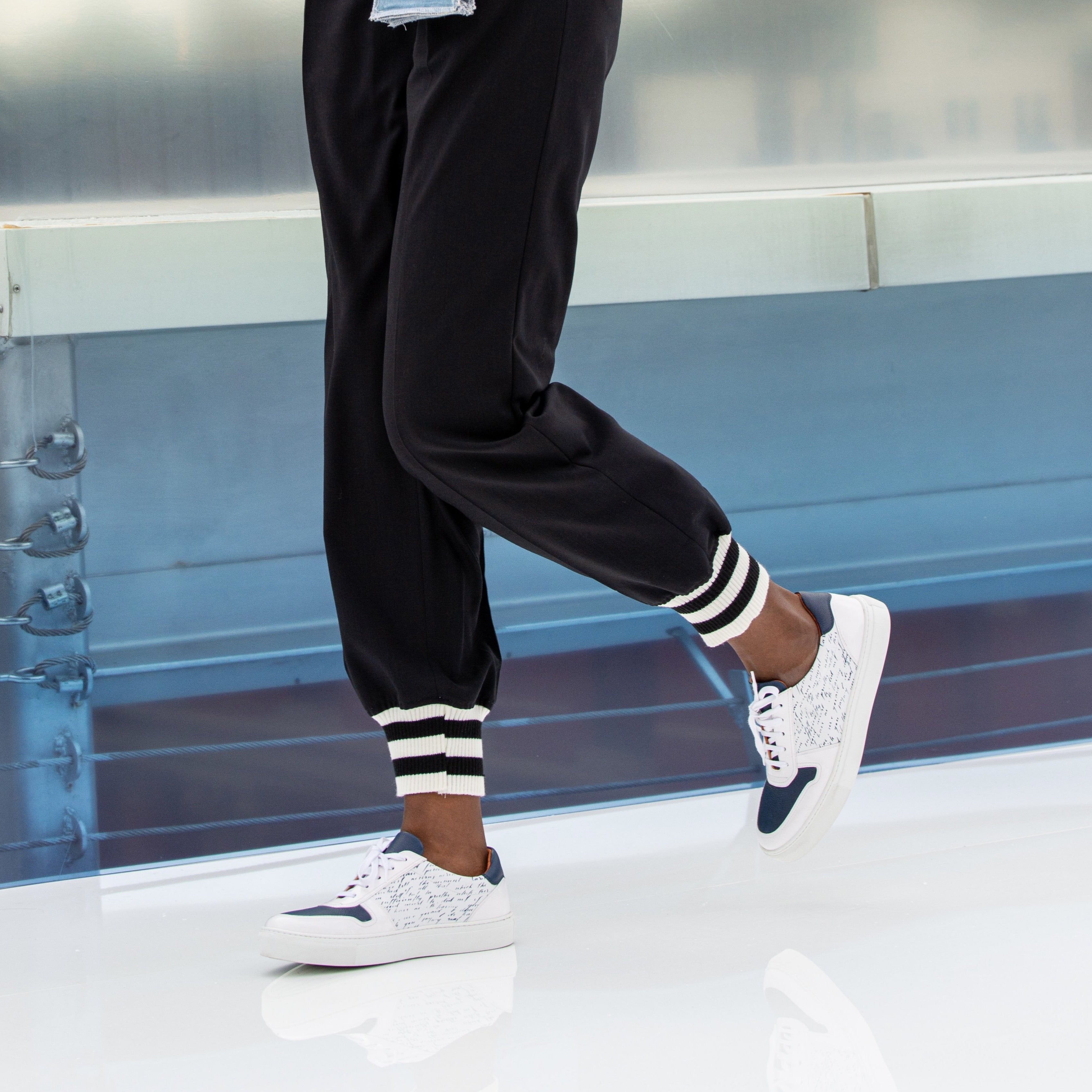
In contrast, The House of Que Shebley champions the philosophy of luxury bespoke shoes for men by emphasizing manual precision. Our Gall Chelsea Boots and Arabic Matrix Patina Wholecut Shoes are defined by meticulous hand-stitching and the use of premium skins that retain their natural character. This dedication to Lebanese artisanship ensures that every pair is a unique artifact of shoemaking history. Unlike the sterile consistency of a factory line, these pieces offer a structural longevity and aesthetic depth that only human intervention can provide, ensuring the footwear conforms to the wearer’s journey rather than just a standardized mold.
The Rationale: Why Artisan over Mass-Market
Pros of Artisan
- Handcrafted Excellence: Every stitch is a deliberate act of construction, offering durability that mechanized welting cannot replicate.
- Quality Material: The selection of top-tier, full-grain leathers ensures a product that breathes and improves in comfort with age.
- Personal Heritage: Each pair serves as a testament to the shoemaker’s soul and the cultural lineage of their craft.
Cons of Mass-Market
- Generic Designs: Mass production necessitates simplified patterns, leading to a loss of architectural nuance and creative expression.
- Inferior Materials: The reliance on corrected grains and synthetic fillers reduces the lifespan of the shoe and its environmental sustainability.
- Brand Over Substance: The consumer often subsidizes global advertising budgets rather than the actual quality of the raw materials.
For a deeper dive, explore our article on Why Handcrafted Beats Mass Luxury: An In-depth Analysis.
Closing

Authentic sophistication is never the product of a conveyor belt; it is the result of patience, skill, and an unwavering commitment to excellence. At The House of Que Shebley, we invite discerning individuals to experience the distinction of footwear that is carved and stitched by master craftsmen. Whether you choose the Ralphie Octavian Boots II or the Smyrna Octavian Patina Boots, you are investing in a legacy of excellence. Elevate your wardrobe with genuine luxury shoes that honor tradition while defining modern style. Discover the intersection of comfort and artistry by exploring our curated collections. To further refine your selection process, consult our guide for Gen X Professionals' Path to Artisan Shoemaker Selections.
Indulge in true artistry. Shop here.
FAQs
What are mass-produced luxury shoes?
These are products marketed under high-end labels but manufactured using high-speed industrial processes. This method prioritizes quantity and uniform appearance over the structural integrity and unique character found in traditional shoemaking.
How can I identify genuine luxury shoes versus mass-produced ones?
Key indicators include the presence of hand-welted soles, the use of full-grain leathers showing natural pores, and a complexity in the stitching that machines cannot achieve. Artisanal shoes also tend to have a more balanced weight and superior interior finishing.
Why do some brands choose to mass-produce shoes?
The primary drivers are scalability and profit maximization. By automating the assembly, brands can satisfy global demand and reduce labor costs, though this typically necessitates a transition to lower-grade materials that are easier for machines to process.
Are mass-produced luxury shoes worth the price?
While they offer brand recognition, they often lack the longevity of handcrafted alternatives. In terms of cost-per-wear, an artisan shoe usually provides greater value due to its superior durability and the ability to be resoled multiple times.
What are the environmental impacts of mass production in the shoe industry?
Industrial manufacturing contributes significantly to carbon emissions and chemical waste. In contrast, artisanal production typically involves smaller batches and more sustainable sourcing of materials, reducing the overall ecological footprint.
Can I find affordable alternatives to mass-produced luxury shoes?
Artisan brands that operate with a direct-to-consumer model often provide superior quality at a similar or lower price point than "big name" labels by eliminating the overhead of traditional retail and massive marketing campaigns.
How important is ethical production in the luxury shoe market?
Ethical production ensures that the individuals crafting the footwear are treated fairly and that the environmental impact is minimized. Supporting artisan workshops helps preserve traditional skills that are otherwise at risk of disappearing.
What should I look for when shopping for quality footwear?
Prioritize leather quality, construction methods (such as Goodyear or Blake welting), and the reputation of the workshop. A high-quality shoe should feel substantial and show evidence of careful hand-finishing.
Are there risks associated with buying mass-produced luxury shoes online?
The primary risks include receiving a product that relies on deceptive finishing to hide poor leather quality or encountering counterfeit items. It is essential to purchase from reputable houses that provide transparency regarding their manufacturing processes.


%0A%0AThe%20Rationale:%20Why%20Artisan%20over%20Mass-Market%0A%0APros%20of%20Artisan%0ACons%20of%20Mass-Market%0A%0A...)
댓글 남기기
이 사이트는 hCaptcha에 의해 보호되며, hCaptcha의 개인 정보 보호 정책 과 서비스 약관 이 적용됩니다.