



Why Handcrafted Beats Mass Luxury: An In-depth Analysis
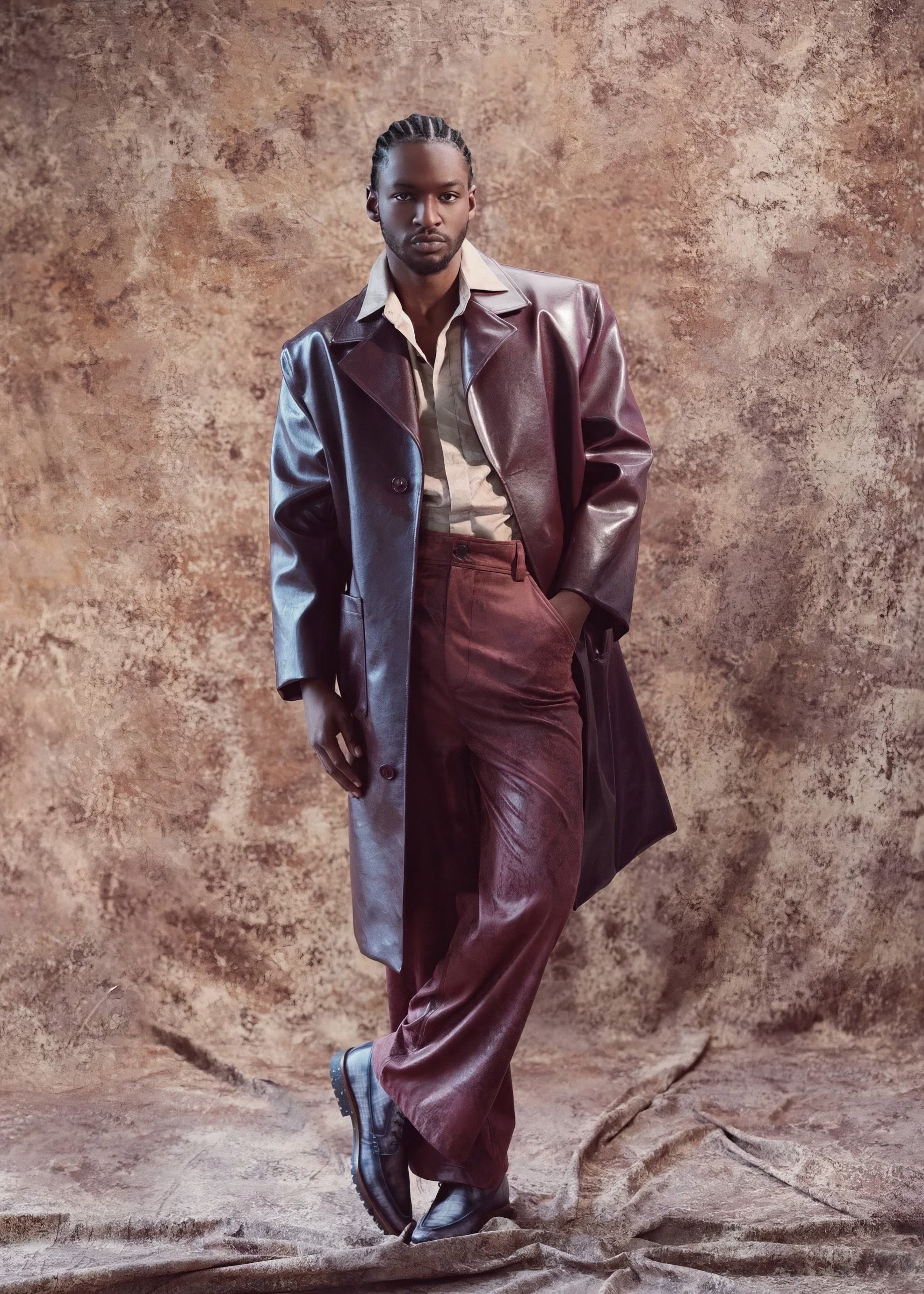
In today's global marketplace, where automated mass production often dictates fleeting market trends, the allure of handcrafted prestige remains unparalleled. Whether one is seeking the specific shoes leaders wear or exploring the premier selections for men's shoes to wear in summer 2026, discerning customers are increasingly reevaluating the "Value vs. Cost" paradigm. This shift is particularly evident within the realm of luxury footwear, where the distinction between a commodity and a legacy piece becomes clear. High-end footwear is no longer just a purchase; it is an investment in personal branding and ergonomic longevity.
Table of Contents
- Table of Contents
- The Art of Handcrafted Footwear
- Independent Shoemaker Rationale
- Handcrafted Shoes vs. Mass Luxury
- Pros of Handcrafted Shoes
- Cons of Handcrafted Shoes
- The Rationale: Why Artisan over Mass-Market
- Pros and Cons of Patina Leather Shoes
- Millennial Parent Guide to Quality Footwear
- Conclusion
- FAQs
The Art of Handcrafted Footwear

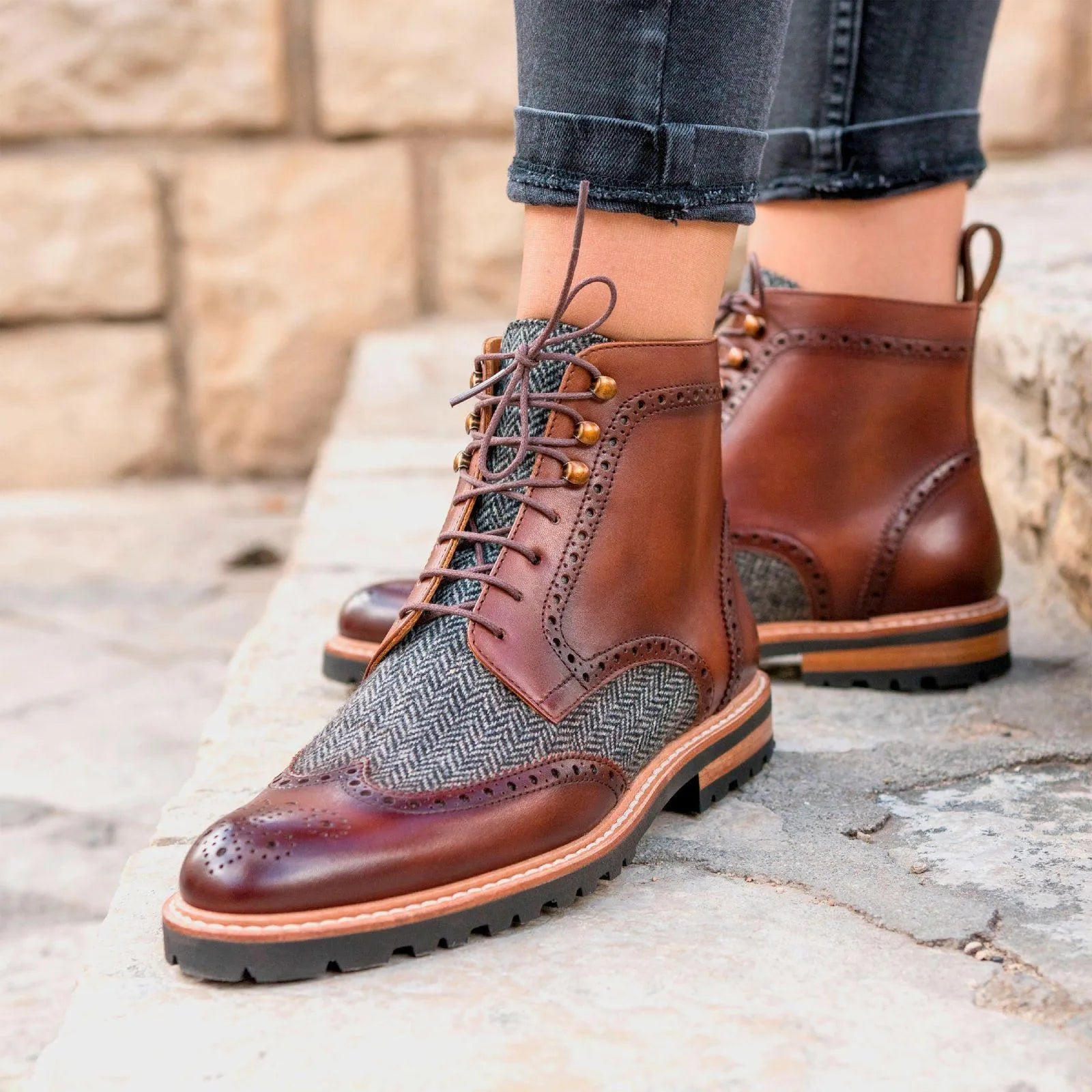
Authentic craftsmanship lies at the heart of unique, artistic creations that stand the test of time. In direct contrast to mass-produced luxury—where industrial expedience often overshadows the nuance of individuality—the House of Que Shebley specializes in curating bespoke experiences. This approach to handcrafted footwear ensures that every pair encapsulates the essence of precision found only in the steady hands of master artisans. Within our atelier, heritage techniques meet modern-day elegance, a philosophy perfectly embodied in flagship designs like the Java Moc Flex Laced Boots II, which offer a seamless blend of rugged durability and refined aesthetics.
Independent Shoemaker Rationale

The independent shoemaker rationale is rooted in a fierce dedication to a distinct identity and a celebration of Lebanese heritage design. For Que Shebley, shoes are far more than mere accessories; they are narratives of mastery told through every hand-stitched welt and meticulously finished edge. This commitment to quality over quantity serves as an homage to time-honored techniques passed through generations of craftsmen. We build a unique narrative with each Orlan Loafers II, providing a sophisticated silhouette that communicates leadership and cultural depth without uttering a word.
Handcrafted Shoes vs. Mass Luxury
Pros of Handcrafted Shoes
- Uniqueness: Each pair serves as a bespoke work of art, tailored to the specific anatomical requirements and stylistic preferences of the wearer.
- Quality Materials: Only the highest grade of full-grain leathers and ethically sourced components are selected to ensure structural integrity.
- Customization: Unlike standardized factory outputs, these pieces allow for personalized adjustments in fit, color, and finish.
- Sustainable Practices: Smaller production scales naturally lead to reduced waste and a focus on environmentally-conscious tanning methods.
Cons of Handcrafted Shoes
- Cost: A higher initial capital investment is required to account for the specialized labor and premium materials involved.
- Time: The meticulous nature of luxury bespoke shoes for men necessitates a longer lead time, as true excellence cannot be rushed by a machine.
The Rationale: Why Artisan over Mass-Market
Choosing artisan-made goods over mass-market alternatives provides an authentic expression of personal style that generic brands cannot replicate. The resilience and longevity of these items ensure they remain staples in a wardrobe for decades rather than seasons. While the limited availability in traditional retail channels and the premium pricing may be considerations, the elevated sense of individuality and self-expression gained is immeasurable. For a deeper understanding of these distinctions, explore our insights in The Authenticity of Unique Handcrafted Dress Shoes for Leaders.
Pros and Cons of Patina Leather Shoes

The charisma of patina leather shoes lies in their rich, multi-dimensional personality. The Frango Patina Double Monk II serves as a quintessential representation of this visual depth, achieved through layers of hand-applied dyes. This process creates a bespoke aesthetic with a deeply personalized look that evolves over time. However, it is important to note that such artistry requires diligent care and specialized maintenance to preserve the delicate gradient of colors. Their sensitivity to harsh environmental factors makes them a choice for the connoisseur who values high-level sophistication in formal and semi-formal settings. For an elaborate discussion on this artistry, refer to our comprehensive article Deciding Factors: Pros and Cons of Patina Leather Shoes.
Millennial Parent Guide to Quality Footwear
Prioritizing quality over immediate cost is a vital lesson for Millennial parents who are guiding the fashion choices of new generations. In an era of "fast fashion," teaching the value of a well-made shoe fosters an appreciation for sustainability and enduring style. Our guide, Millennial Parent's Guide to Quality Footwear Choices, advises families on investing in superior construction over transient trends, ensuring that footwear provides proper orthopedic support, longevity, and a reduced ecological footprint.
Conclusion
Embark on a journey toward mastering the art of discerning luxury through unique handcrafted dress shoes designed for leadership. We invite you to explore the exclusive collections of Que Shebley and experience firsthand the craftsmanship and passion that define our brand heritage. Elevate every step with our timeless creations and embrace the power of true quality that transcends the limitations of mass production.
FAQs
What are the main differences between handcrafted items and mass-produced luxury products?
Handcrafted items are defined by the "human element," utilizing artisanal techniques that require years of training. Mass-produced luxury, while often utilizing high-quality branding, relies on automated consistency which can lack the soul and specific character of a hand-lasted shoe.
Why should I choose handcrafted products over mass-produced luxury items?
Handcrafted products offer a superior strength-to-weight ratio, better repairability, and a unique aesthetic. By choosing these items, you support the preservation of traditional trades and acquire a product with a transparent, ethical origin story.
Are handcrafted luxury items worth the investment?
Yes. Due to the superior construction methods like Goodyear welting or Blake stitching, these shoes can be resoled multiple times, often lasting five to ten times longer than their mass-produced counterparts, making the "cost per wear" significantly lower over time.
How do environmental impacts differ between handcrafted and mass-produced items?
Handcrafted production models typically operate on a made-to-order or small-batch basis, which drastically reduces industrial waste, chemical runoff from large factories, and the carbon footprint associated with global mass-distribution chains.
What types of products are commonly handcrafted?
Beyond footwear, the realm of handcrafting extends to bespoke tailoring, fine horology, leather goods, and high-end furniture, where the creator's individual touch is considered a value-add.
How can I ensure that a product is genuinely handcrafted?
Authentic artisans provide transparency regarding their workshops, the specific types of leather used (such as box calf or museum calf), and the construction techniques employed. Look for markers of hand-finishing that machines cannot replicate perfectly.
Are there any downsides to purchasing handcrafted products?
The primary considerations are the higher entry price and the patience required during the production phase. Additionally, because they are made from natural materials by hand, slight variations in grain and color are to be expected and celebrated as marks of authenticity.
How does supporting handcrafted products benefit local economies?
It keeps specialized wealth within communities of makers rather than diverting it to large corporate structures, ensuring that traditional artistry remains a viable career path for future generations.
Can handcrafted items be considered luxury products?
Handcrafted items represent the pinnacle of luxury. While "luxury" is often used as a marketing term for expensive mass-market goods, true luxury is defined by rarity, skill, and the uncompromising quality found in artisan workshops.


コメントを書く
このサイトはhCaptchaによって保護されており、hCaptchaプライバシーポリシーおよび利用規約が適用されます。